LM Forklift
LM Forklift
LM Forklift
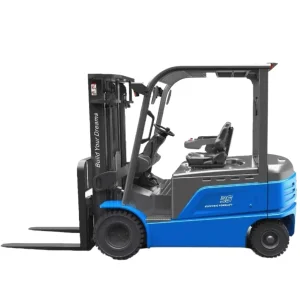
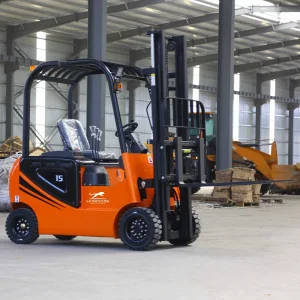
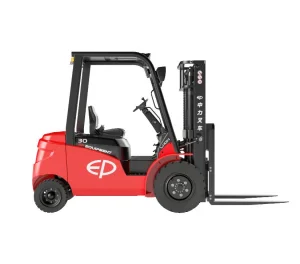
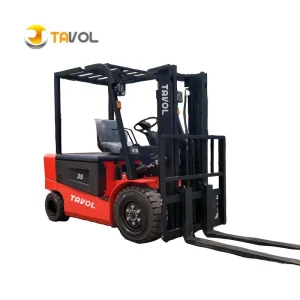
High-performance electric counterbalance machinery configured for heavy-duty marine logistics, cold-storage facilities, and high-density racking environments.
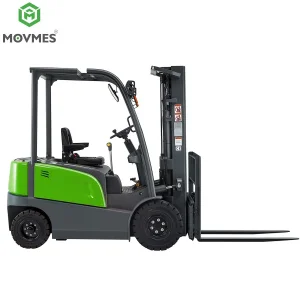
The city of Genoa, home to the largest seaport in Italy by cargo tonnage and one of the busiest maritime hubs in the Mediterranean Sea, acts as the primary gateway for industrial freight destined for Northern Italy, Switzerland, and Central Europe. Spanning across vast seaside docks, container terminals, and complex inland warehousing corridors (such as those in the Ligurian hinterland), the local supply chain handles diverse freight profiles ranging from steel and automotive components to heavy bulk containers, seafood cold storage, and FMCG packaging.
Historically, heavy material handling in Genoa's maritime terminals relied heavily on internal combustion (diesel and LPG) forklifts. However, the operational dynamics of contemporary ports and industrial zones demand a radical transformation. Today, Genoa is at the forefront of European green maritime policies, strictly enforcing maritime emissions caps, environmental regulations, and zero-emission zones (ZEZ) within harbor municipal areas. The transition to electric counterbalance forklifts is no longer merely an option for cost savings—it is a critical compliance mandate.
Maritime logistics in Genoa present challenging operating parameters. Salt spray, humid sea breezes, and fluctuating marine yard temperatures accelerate chemical degradation and rust in traditional mechanical components. Forklifts operating in Genoa need robust IP54-rated ingress protection, heavy-duty anti-corrosive coatings, and high-cycle chemical batteries that remain thermally stable under high-demand multi-shift duties. Furthermore, the historic, highly-congested nature of the city's port terminals requires highly maneuverable, small-footprint material handling assets with reliable turning radii and excellent climbing capability for steep loading ramps on Ro-Ro (Roll-on/Roll-off) vessels.
For European procurement managers, purchasing material handling equipment from leading Chinese manufacturers offers a strategic blend of technological innovation, rapid supply chain scalability, and unmatched Total Cost of Ownership (TCO) optimization. As the global epicenter for industrial battery manufacturing and EV technologies, Chinese engineering integrates advanced lithium-ion and battery management technology seamlessly into heavy material handling applications.
Furthermore, Chinese supply chains are designed for modular maintenance. Utilizing standardized industrial parts—such as Curtis or Zapi controllers, high-torque AC motors, and standard DIN-compliant hydraulic assemblies—ensures that fleet service mechanics in Genoa can easily source replacement components locally, keeping downtime to an absolute minimum.
The material handling sector is undergoing a profound technological shift. Businesses in Genoa looking to upgrade their logistics fleets must keep pace with these three primary industry trends to ensure their investments remain future-proof:
Modern fleets are rapidly phasing out lead-acid batteries. The reasons are clear: lead-acid batteries require extensive maintenance, including watering, equalization charges, and dedicated ventilated charging rooms to exhaust dangerous hydrogen gas. Lithium-ion technology, specifically LiFePO4, supports "opportunity charging"—allowing operators to plug in the machine during short lunch breaks or shift changes without damaging the cell's lifespan. This enables 24/7 continuous warehouse operations without battery swapping, saving massive amounts of labor and space.
Forklifts are evolving into intelligent data points. Modern electric trucks features CAN-bus electronic systems that stream real-time operational diagnostics directly to the cloud. Logistics managers can monitor operator safety, battery health metrics, mechanical load strain, and driving paths. In crowded ports like Genoa, telematics help monitor impact sensors, preventing accidents and streamlining warehouse layouts for maximum efficiency.
Under the European Green Deal, maritime ports are pressured to reduce their Scope 1 direct emissions. Switching from IC forklifts to zero-emission electric machinery significantly reduces a terminal operator's carbon footprint. This also prepares businesses for impending carbon taxes and environmental regulations in Italy's major logistics hubs.
A standard forklift designed for a flat inland warehouse may struggle when deployed in Genoa. Industrial sites here require highly specialized configurations. Below are three key regional application scenarios where customized electric counterbalance forklifts excel:
Founded in 2020, Fujian LM Forklift Technology Co., Ltd. has quickly established itself as a leader in the electric forklift industry, leveraging advanced technology and exceptional product quality. The company is dedicated to providing high-performance, reliable, and safe electric forklift solutions to meet the diverse needs of customers worldwide.
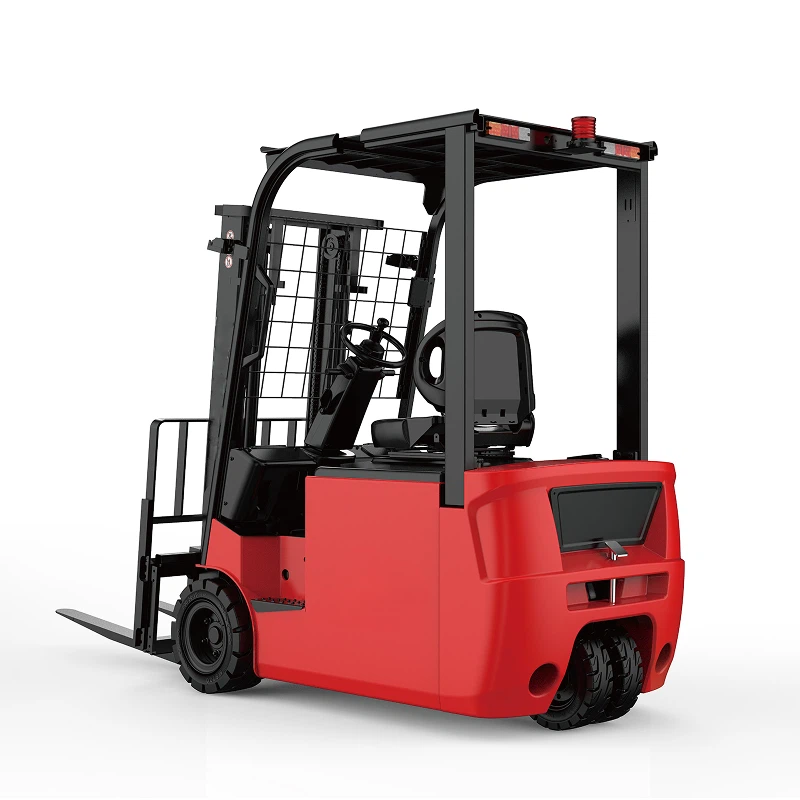
The company focuses on the research, development, production, and sales of electric forklifts, with a highly qualified and innovative R&D team. The team keeps pace with industry development trends and market demands, continuously investing significant resources into technological innovation and product upgrades, ensuring that every product delivers excellent performance, comfortable operation, and superior safety and reliability.
In the production process, Fujian LM Forklift Technology Co., Ltd. uses advanced manufacturing equipment and processes, adhering strictly to international quality management standards. From raw material selection to final product inspection, every step is meticulously controlled to ensure that each forklift meets the highest standards of quality and stability.
The electric forklift products of Fujian LM Forklift Technology Co., Ltd. have several key advantages:
Regarding market expansion, the company is actively exploring both domestic and international markets, with its products exported to numerous countries and regions. With high-quality products and a comprehensive after-sales service system, the company has earned widespread recognition and trust from its customers.
Looking to the future, Fujian LM Forklift Technology Co., Ltd. will continue to uphold its business philosophy of "Innovation, Quality, Service" and enhance its core competitiveness. The company aims to drive technological progress in the electric forklift industry and provide even greater value-added solutions to global customers. Additionally, the company plans to expand its product line into intelligent and automated forklifts, explore developments in digital factories and smart logistics, and contribute more to industry innovation.
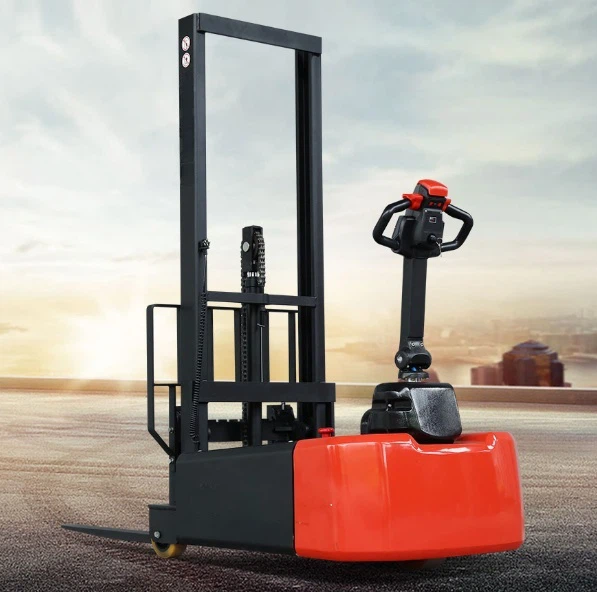
Browse our extensive selection of specialized lifting systems built for reliability, endurance, and precision performance.
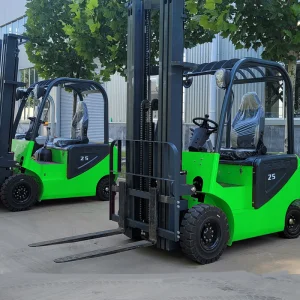
When engineering global supply paths for industrial material handling machinery, logistics companies must implement standardized evaluation metrics. Standard procurement criteria must cover the following aspects:
Any forklift entering the European market must meet high standards for operators and surrounding workers. In Genoa's tightly integrated terminals, standard specifications must include an dynamic stability system that prevents sideways tipping, load-sensing mast speed control to avoid spills at maximum lift heights, and automatic speed reduction during cornering. Additionally, presence detection systems must prevent hydraulics or driving controls from engaging if the operator is not seated.
High-efficiency operations require variable-displacement pump hydraulics that distribute lifting force dynamically based on cargo weight. This minimizes energy waste during unloaded lift movements and offers precise control when setting down fragile pallets. High-grade double or triple masts with open profiles ensure operators have clear forward vision, which is essential when unloading mixed maritime containers.
Purchasing machinery from Chinese manufacturers is highly efficient when backed by reliable local service partners. Fujian LM Forklift Technology ensures all critical mechanical and electrical parts use globally standardized metric sizes. Our engineering teams provide detailed digital manuals, wiring schematics, and diagnostic codes, enabling local Italian engineers to perform repairs quickly and accurately.
Comprehensive technical answers to the most common questions regarding electric forklift deployment, battery life, maintenance, and regional compliance.