LM Forklift
LM Forklift
LM Forklift
Explore our industrial range of electric material handling machinery engineered for efficiency, durability, and extreme warehouse environments.
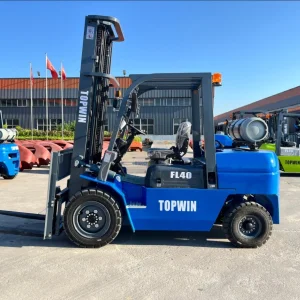
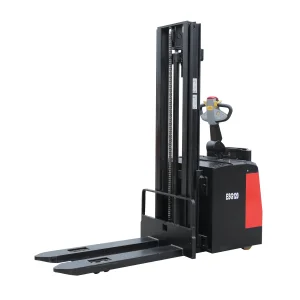
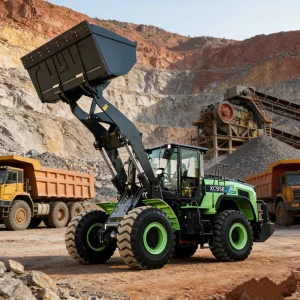
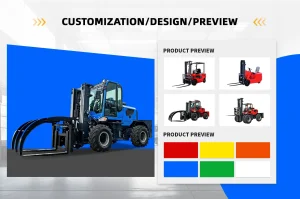
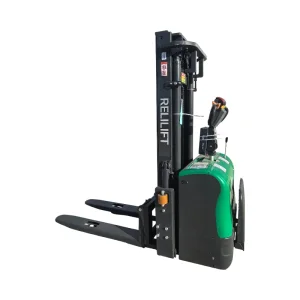
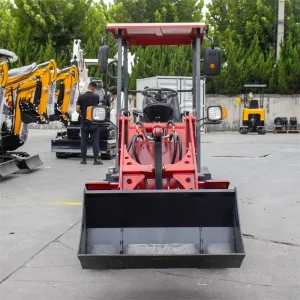
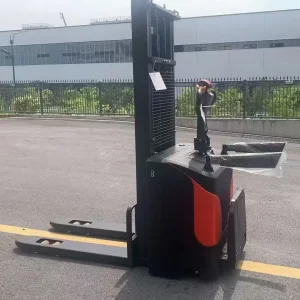
Analysis of how dynamic global supply networks and urban density drive demand for smart walkie stackers.
The global logistics and warehousing framework is undergoing a profound structural transition. Driven by rapid acceleration in global e-commerce fulfillment, micro-fulfillment urban logistics, and the continuous growth of SKU complexity, warehouses are systematically redesigning their vertical storage space. As aisle widths constrict to maximize structural space utilization, the operational space left for heavy-duty counterbalanced material handlers has plummeted. This physical reality has forced warehouse operations managers to look beyond traditional heavy machinery toward compact, agile, and energy-dense mechanical systems. Powered Stacker Trucks have emerged as the foundational tool for this modern vertical paradigm, offering highly optimized turning radiuses, precise digital positioning systems, and low-energy profiles.
Historically, material moving operations depended on manual hand jacks for short horizontal shuttling, or larger diesel/gasoline combustion forklifts for vertical tiering. Manual options lead to high operator fatigue, raising safety risks and reducing cycle speeds. Conversely, combustion systems introduce toxic tailpipe emissions and substantial noise pollution into closed industrial warehouses. The modern powered stacker truck effectively bridges this technological chasm. Integrating high-performance AC drive systems, smart electronic proportional hydraulic valves, and sophisticated battery systems, these machinery setups deliver precise structural safety and efficient operations. This evolution is not merely a replacement of power sources; it represents a key shift toward data-integrated material flow inside warehouses.
Operates efficiently in aisles under 2.5 meters wide, increasing total warehouse storage density by up to 35% compared to standard forklifts.
Equipped with advanced AC drive units and dual hydraulic cylinders, accelerating cycle speeds and increasing total hourly material movements.
Minimal mechanical components, regenerative electronic braking, and lithium-ion options reduce maintenance costs by over 40% vs. ICE fleets.
A rigorous examination of electrical, hydraulic, and structural systems driving premium stacker performance.
For procurement professionals, understanding the internal engineering of powered stackers is essential to long-term reliability. A stacker is an integrated system where electrical power, hydraulic force, and structural design must coordinate perfectly under heavy stress. When selecting a manufacturer, evaluating these three core engineering elements is critical:
Modern powered stackers utilize brushless AC drive systems. Unlike older DC motors, AC motors eliminate brush friction, reducing wear. They feature regenerative braking systems, converting kinetic energy back into battery charge when decelerating.
Precision loading requires precise controls. Industrial-grade stacker units employ electronic proportional valves in their lift hydraulics. This configuration ensures smooth acceleration during lifting, preventing load shifts and product damage.
Mast flex is a primary cause of tip-overs at maximum lift height. Premier suppliers use cold-drawn German H-section steel profiles for their masts. This design maintains rigidity under offset load conditions, ensuring structural stability.
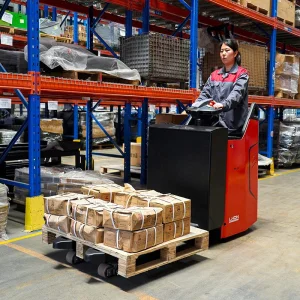
In addition, modern design must focus heavily on the ergonomics of the control tiller. The operator interface is the main point of human-machine interaction. Premium walkie stackers feature dual butterfly thumbs controls for both left- and right-handed operations, safety reversing bell buttons that automatically reverse vehicle direction upon contact with the operator, and turtle-speed toggle switches that facilitate precise maneuvering in tight spaces with the handle in a vertical position.
Decoding the industrial cluster dynamics, supply chain vertical integration, and cost efficiencies of Chinese production.
Over the last decade, China has transitioned from a high-volume manufacturer of basic machinery components to a center for advanced, lithium-integrated material handling equipment. This rapid evolution is driven by several key structural advantages that enable Chinese factories to deliver high-performance, cost-effective equipment to the global market:
A leading force in electric forklift engineering, driving green energy innovation and intelligent logistics technologies.
Founded in 2020, Fujian LM Forklift Technology Co., Ltd. has established itself as an innovative manufacturer in the electric forklift and warehouse equipment industry. The company integrates advanced design technologies and quality control standards. It focuses on delivering high-performance, reliable, and safe electric forklift solutions to meet the complex requirements of modern global enterprises.
The company focuses on the research, development, production, and sales of electric forklifts, supported by a highly qualified R&D team. This engineering group tracks industry trends and real-world market demands, continuously investing in technology updates to ensure every model provides comfortable operation, low maintenance costs, and dependable safety features.
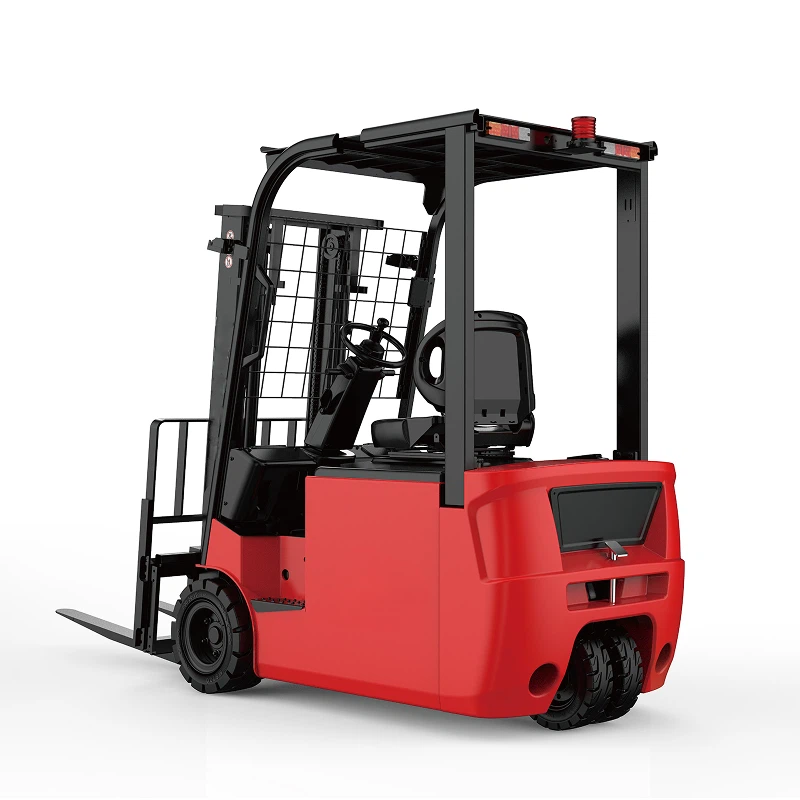
Through its production processes, Fujian LM Forklift Technology Co., Ltd. uses advanced manufacturing machinery and quality controls, adhering to international management standards. From raw material sourcing to final dyno and load-testing inspections, every step is monitored to verify the durability and performance of each vehicle.
Engineered to operate reliably in complex work environments, from standard warehouses to uneven agricultural surfaces, delivering consistent torque and lifting speed.
Designed for green operations, these units help businesses reduce energy consumption and operational carbon footprints through efficient battery integration.
Features an intuitive design with comfortable operator interfaces, reducing fatigue and improving warehouse productivity during multi-shift operations.
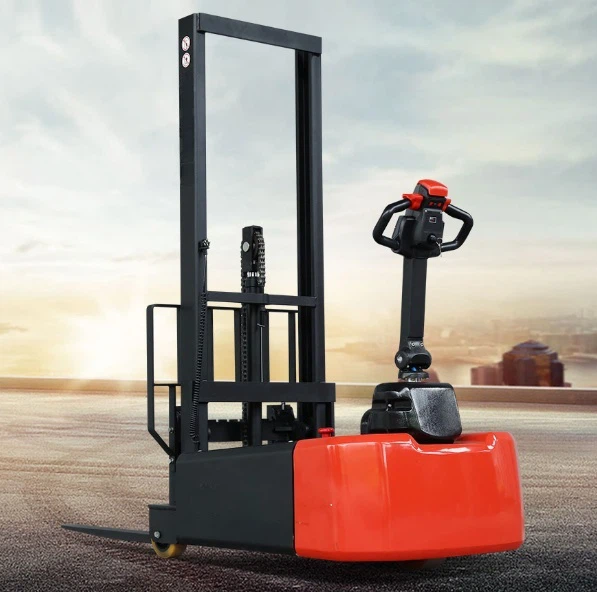
For international markets, Fujian LM Forklift Technology Co., Ltd. is actively building out its global distribution network, exporting products to several countries. The combination of reliable build quality and customer service has helped the company earn trust among its global clients.
Looking ahead, the company will continue to focus on its core principles of "Innovation, Quality, and Service" to build its competitive position. The company plans to expand its product line into automated guided forklifts (AGVs) and smart logistics, contributing to the development of connected digital factories.
How specialized powered stacker truck variants solve environmental challenges across diverse global sectors.
Material handling challenges depend heavily on the operating environment. A stacker model built for a cleanroom pharmaceutical facility requires different design parameters than one operating in sub-zero food cold chains. Below, we examine four key industrial deployment scenarios:
Standard electric trucks can experience battery depletion and component cracking in deep cold chain environments (down to -30°C). Specialized cold storage stacker variants resolve this with low-temperature hydraulic fluid, IP65-sealed wiring harnesses, anti-condensation systems, and heated battery compartments, protecting operational uptime.
Chemical, pharmaceutical, and electronic assembly facilities require strict contamination and explosion-proof protocols. Explosion-proof stackers utilize non-sparking copper alloy forks, anti-static tires, and flameproof electrical enclosures, minimizing ignition risks in sensitive atmospheres.
Handling casting dies, sheet metal coils, and heavy components requires rigid equipment. For these applications, high-capacity walkie rider stackers (up to 3.0 tons) feature heavy duty drive platforms, providing stable performance for heavy payloads over multi-shift rotations.
Public-facing environments require compact, quiet, and maneuverable equipment. Pedestrian walkie stackers operate with minimal noise, while compact designs fit through standard doorways and tight corridors, making store replenishment safer and quieter.
A strategic calculation guide comparing acquisition costs, energy efficiency, maintenance, and residual values.
Sourcing stacker fleets based solely on the initial purchase price can lead to higher overall costs over time. Experienced procurement managers evaluate the complete Total Cost of Ownership (TCO) over a typical five-to-seven-year lifecycle. The key factors that determine TCO include:
By evaluating these parameters during the procurement process, international buyers can optimize equipment lifetime values and manage fleet operating expenditures.
Technical guidance and answers to common questions for industrial buyers, procurement managers, and warehouse engineers.
A standard Walkie Stacker places its support legs directly under the forks, making it ideal for open-bottom pallets (like Euro pallets) but unsuitable for closed-bottom pallets. A Straddle Stacker features wider outer support arms that run outside the forks, allowing it to lift and stack both open- and closed-bottom pallets (such as standard GMA pallets) by wrapping around the pallet exterior.
LiFePO4 batteries support opportunity charging, allowing operators to charge the vehicle during breaks (e.g., a 15-minute charge during lunch provides immediate energy replenishment). Unlike lead-acid batteries, they do not require weekly maintenance (watering), do not release gases while charging, and provide a longer service life (typically over 3,000 cycles at 80% depth of discharge compared to 1,500 cycles for lead-acid).
As lift heights increase, vehicles experience structural de-rating due to mast flex. Using H-profile masts engineered from premium structural steel minimizes torsion, which preserves capacity ratings at high lifts. Dual lift cylinders also distribute loading pressure across the mast carriage, maintaining structural stability compared to single-cylinder designs.
Equipment deployed in European markets must bear the CE Mark, certifying compliance with Machinery Directive 2006/42/EC and safety standard EN ISO 3691-1. In the US, equipment must comply with ANSI/ITSDF B56.1 safety standards for low- and high-lift industrial trucks, and electrical components should feature UL or equivalent laboratory certifications.
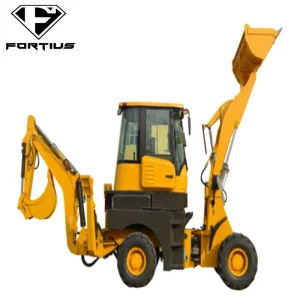
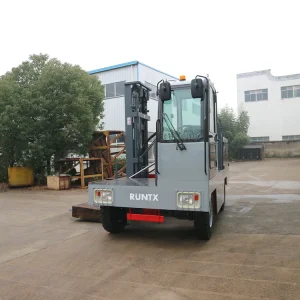
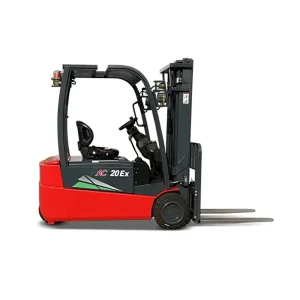
View our additional range of pallet trucks, side loaders, explosion-proof units, and heavy-duty farm loaders.