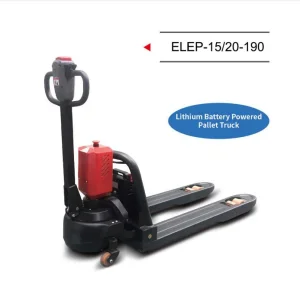
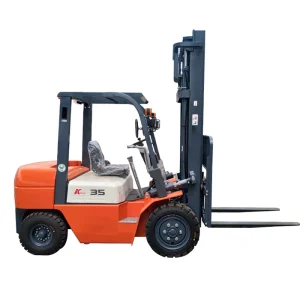
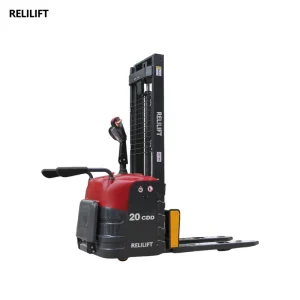
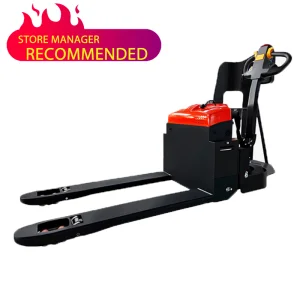
LM Forklift
LM Forklift
LM Forklift
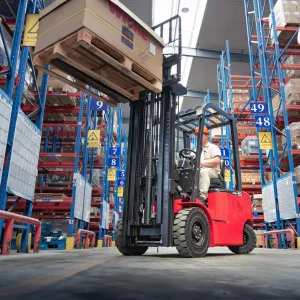
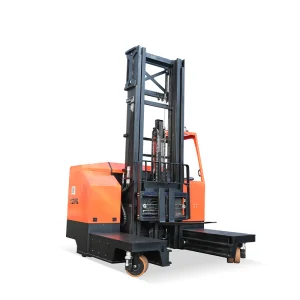
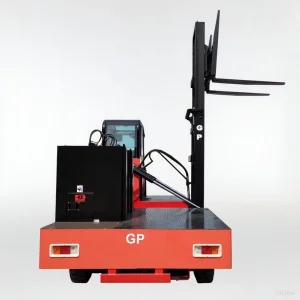
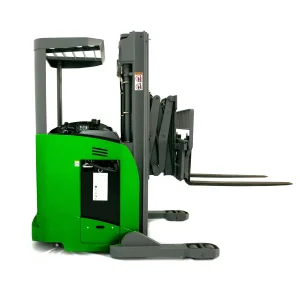
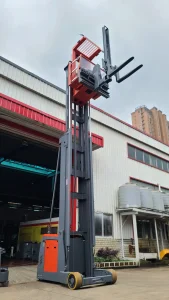
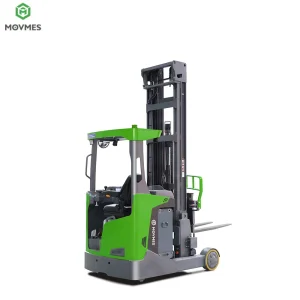
In the rapidly evolving landscape of global logistics, the demand for space optimization has reached an unprecedented peak. Narrow Aisle (NA) and Very Narrow Aisle (VNA) lift trucks have transitioned from niche equipment to the backbone of high-density warehousing. This white paper explores the manufacturers, technological advancements, and strategic procurement needs that define the 2024-2025 market.
Maximizing vertical cubic space is no longer optional. Modern NA trucks allow for aisle widths as narrow as 1.6 meters, increasing storage capacity by up to 50% compared to traditional counterbalance forklifts.
The industry is shifting rapidly away from internal combustion. Lithium-ion (Li-ion) technology offers rapid charging, zero maintenance, and longer life cycles, essential for multi-shift operations.
Integration of semi-autonomous steering, laser navigation, and IoT-based fleet management systems is reducing human error and enhancing operational safety in tight environments.
The global market for narrow aisle lift trucks is projected to see a CAGR of 6.8% over the next five years. This growth is driven by the explosion of e-commerce and the need for rapid order fulfillment. Global procurement managers are no longer just looking at the initial purchase price; they are focusing on Total Cost of Ownership (TCO), which includes energy efficiency, uptime, and ease of maintenance.
Key procurement requirements currently include:
Choosing a narrow aisle lift truck manufacturer is about more than just the hardware. It is about the integrated solution. Top-tier manufacturers like Fujian LM Forklift Technology and industry giants like Heli and Hangcha are now providing full-scale warehouse consulting. This includes rack system compatibility checks, wire-guidance installation, and warehouse management system (WMS) integration.
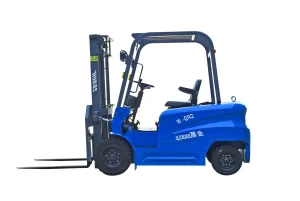
Founded in 2020, Fujian LM Forklift Technology Co., Ltd. has quickly established itself as a leader in the electric forklift industry, leveraging advanced technology and exceptional product quality. The company is dedicated to providing high-performance, reliable, and safe electric forklift solutions to meet the diverse needs of customers worldwide.
The company focuses on the research, development, production, and sales of electric forklifts, with a highly qualified and innovative R&D team. The team keeps pace with industry development trends and market demands, continuously investing significant resources into technological innovation and product upgrades.
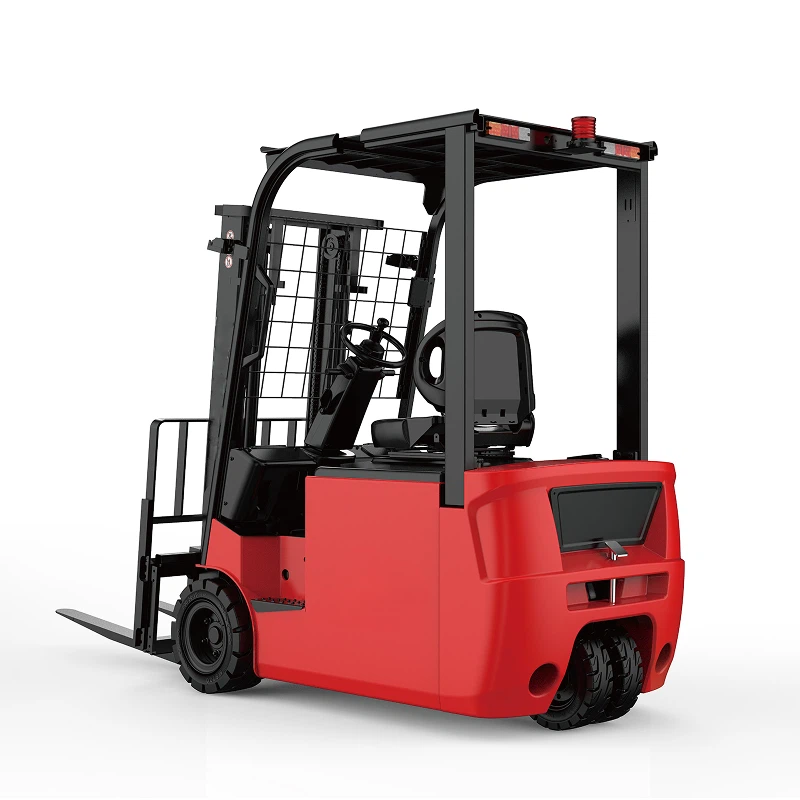
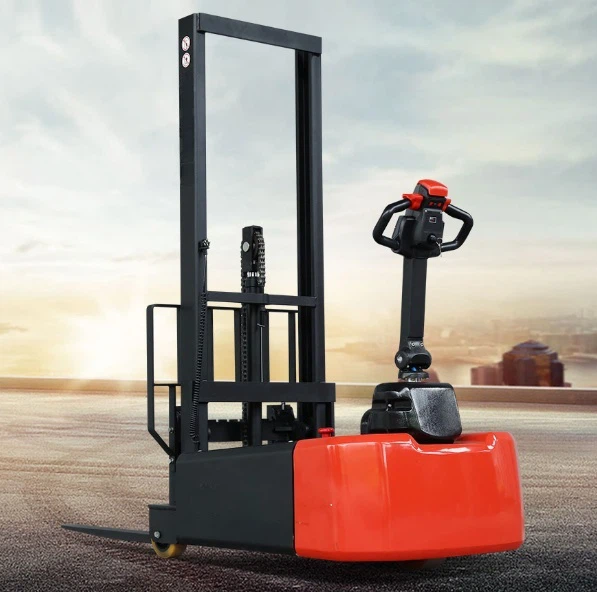
The future of narrow aisle material handling is defined by the convergence of Hardware Excellence and Software Intelligence. As we look toward 2030, several key technologies will become standard across the Top 10 manufacturers:
Ultra-low latency communication allowing for remote operation and real-time diagnostic streaming to manufacturer support centers.
The next frontier after Li-ion, promising even higher energy density, faster charging, and improved safety profiles in extreme temperatures.
Groups of automated narrow aisle trucks working in coordination to optimize pathing and reduce bottlenecks in real-time.
For international buyers, the "Manufacturer" is only as good as their "Local Support." Compliance with CE (Europe), ANSI/ITSDF (USA), and ISO 9001/14001 standards is the baseline. However, true market leaders provide on-site training, 24/7 spare parts availability, and localized software interfaces. Fujian LM Forklift, for instance, emphasizes its comprehensive after-sales service system as a core pillar of its international expansion strategy.