LM Forklift
LM Forklift
LM Forklift
Engineered for high performance, maximum safety, and strict compliance with European CE certification guidelines.
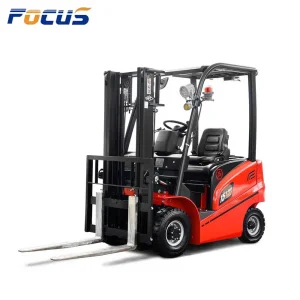
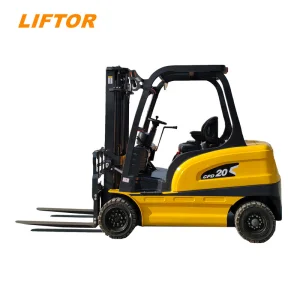
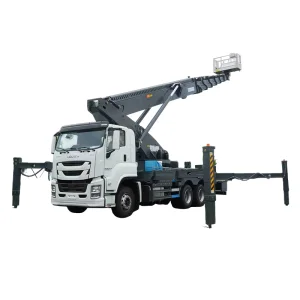
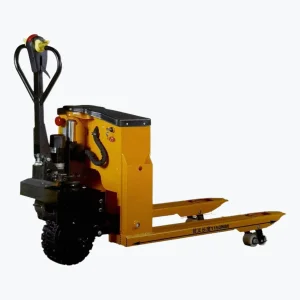
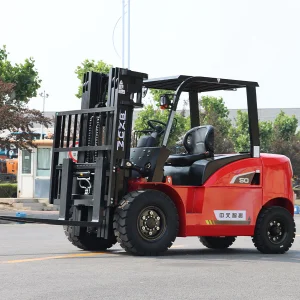
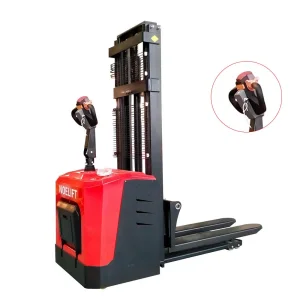
Founded in 2020, Fujian LM Forklift Technology Co., Ltd. has established itself as an engineering powerhouse in the electric forklift and industrial cart sector. Our strategy integrates advanced lithium-ion and lead-acid technologies with lean manufacturing systems to provide globally-compliant material handling solutions.
We are dedicated to providing high-performance, reliable, and safe electric forklift solutions to meet the diverse needs of customers worldwide. By maintaining an in-house engineering and R&D department, we respond rapidly to evolving regulatory requirements, such as Europe's CE marking and America's OSHA rules, ensuring absolute reliability on the factory floor.
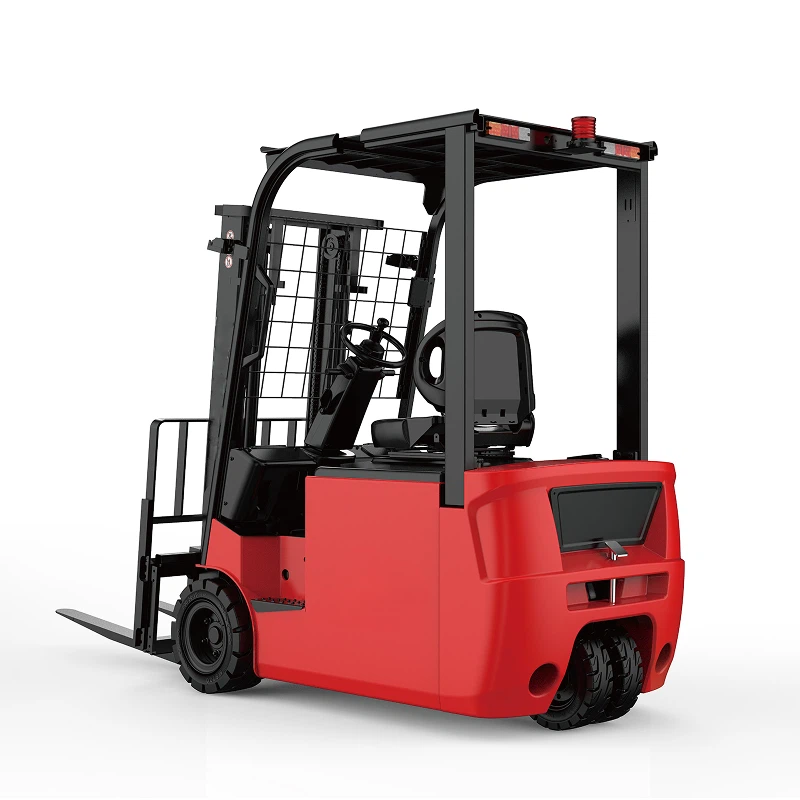
Insights into how macro-economic trends and production efficiencies shape the future of material handling equipment.
The global material handling industry is undergoing a structural shift toward zero-emission fleet systems. Driven by stringent environmental policies, including the European Union's Green Deal and ESG mandates across multinationals, internal combustion (IC) engines are rapidly being replaced by electric powertrains. From high-capacity port operations to indoor food processing, the demand for industrial electric carts and heavy forklifts has escalated. Industrial operators now evaluate vehicles not just on load capacity, but on their integration with smart warehouse management software (WMS), energy metrics, and total cost of ownership (TCO).
Furthermore, post-pandemic supply chain restructuring highlights the importance of reliable, standardized equipment. Companies are setting stricter safety regulations, making CE certification a mandatory baseline for international compliance. Operating environments are also demanding specialized vehicles, including rough-terrain handling systems, narrow-aisle pickers, and explosion-proof equipment for hazardous chemical environments.
China's industrial ecosystem provides significant structural advantages for manufacturing high-precision electric carts. By establishing production inside Fujian's advanced industrial corridor, Fujian LM Forklift Technology Co., Ltd. benefits from a highly integrated supply chain. Key components such as high-density Lithium Iron Phosphate (LiFePO4) battery packs, permanent magnet synchronous motors (PMSM), and electronic controllers are sourced locally. This localized supply network reduces lead times and lowers initial capital costs compared to Western manufacturers.
This efficiency extends beyond sourcing to include advanced factory automation. Our production processes utilize robotic welding arms, CNC machining blocks, and simulated automated testing lanes to maintain dimensional accuracy and structural integrity. By combining lower material costs with modern assembly methods, we provide international buyers with CE-compliant machinery that delivers excellent return on investment without compromising safety.
"Modern intralogistics efficiency depends on minimizing battery charge cycles and maximizing operational uptime. Industrial electric carts built with Chinese supply chain flexibility and rigorous EU standards represent the sweet spot of global material procurement."
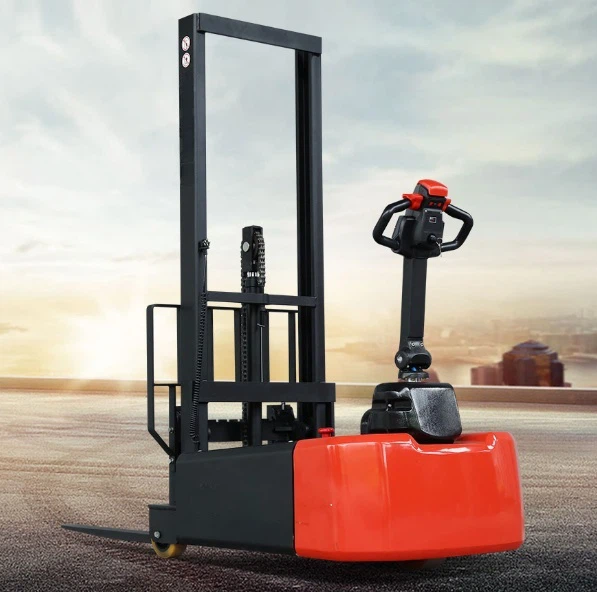
Industrial electric carts operate in diverse, high-demand settings. Selecting the correct machinery configuration is critical to operational safety and efficiency.
A technical overview of the engineering innovations shifting industrial material handling toward autonomous, digitalized platforms.
Standard lead-acid systems are increasingly being replaced by lithium iron phosphate (LiFePO4) chemistries. Integrated Smart Battery Management Systems (BMS) protect cells from overcharging, deep discharge, and thermal runaway, while enabling opportunity charging to reduce downtime during shifts.
Fleet operators require data tracking. Modern electric carts feature CAN-bus control systems that transmit telemetry data via 4G or Wi-Fi. This allows managers to monitor driver behavior, log battery usage, and track mechanical errors in real time.
CE marking demands compliance with machinery directive standards (EN ISO 3691-1). Safety features like auto-deceleration on curves, load-sensing hydraulic limiting, and protective overhead guards are integrated into our design phase to minimize risk.
Key technical criteria procurement officers use to assess industrial cart manufacturers.
Procurement teams require equipment that meets local regulatory requirements. In Europe, CE compliance is mandatory, while in North America, ANSI/ITSDF standards apply. Safety documentation must cover electromagnetic compatibility (EMC) and mechanical safety margins under load. Additionally, sourcing teams prioritize parts standardization, ensuring critical components like hydraulic seals, traction motors, and controllers are easily sourced via global logistics networks.
Operational financial metrics focus on Total Cost of Ownership (TCO). While the initial price is important, factors like energy efficiency, planned maintenance costs, and residual value are critical. When sourcing from Chinese factories, buyers look for custom engineering options (e.g., customized mast heights, attachments, and cabin designs) alongside reliable technical documentation, replacement parts availability, and training resources to prevent extended downtime.
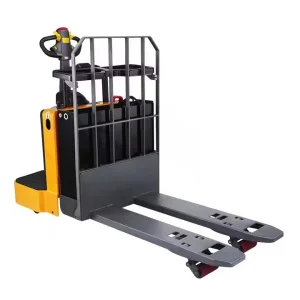
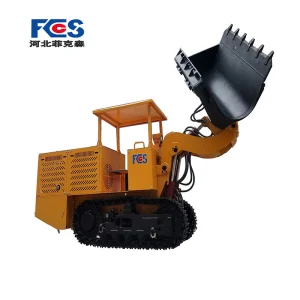
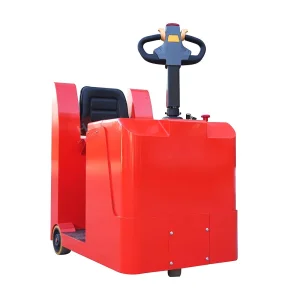
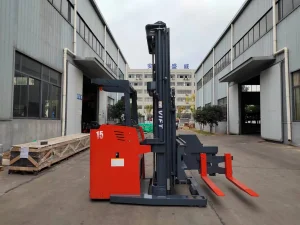
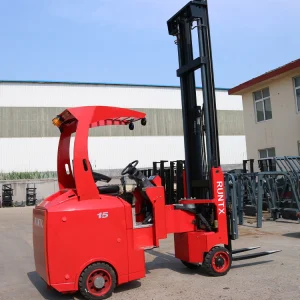
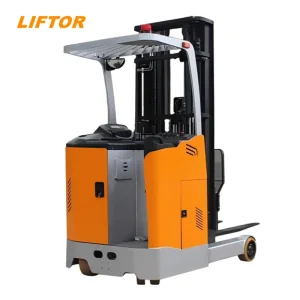
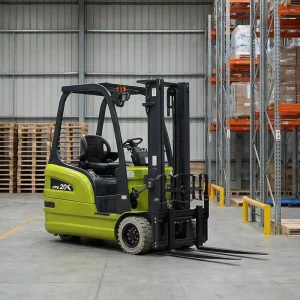
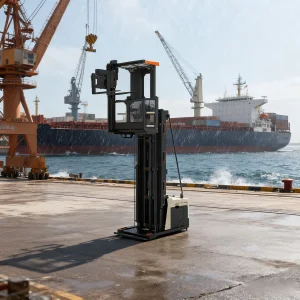
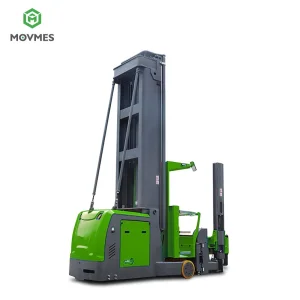
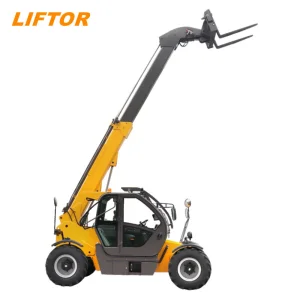
Explore our line of narrow-aisle, heavy-duty tow tractors, and custom telescopic equipment designed for demanding operations.
Engineering answers to common technical queries on configurations, battery systems, and safety standards.