In the dynamic environment of a warehouse, electric equipment faces various threats. Water exposure can lead to significant damages and costly repairs. Renowned expert in industrial equipment protection, Jack Thompson, emphasizes, “Protecting your electric equipment is not just wise; it’s essential for operational continuity.” His perspective highlights the importance of safeguarding these investments.
Waterproofing electric warehouse equipment can drastically improve its lifespan. Equipment such as forklifts, conveyors, and charging stations are especially vulnerable. Regular exposure to moisture can lead to corrosion, short circuits, and operational failures. Understanding how to waterproof electric warehouse equipment is crucial for maintaining efficiency and reliability in daily operations.
Moreover, implementing waterproofing measures requires thoughtful planning. You might face challenges in selecting the right materials or techniques. Each warehouse has unique needs, and a one-size-fits-all solution may not work. Reflecting on these details can lead to better-informed choices, ensuring that equipment remains functional and protected in the long run.
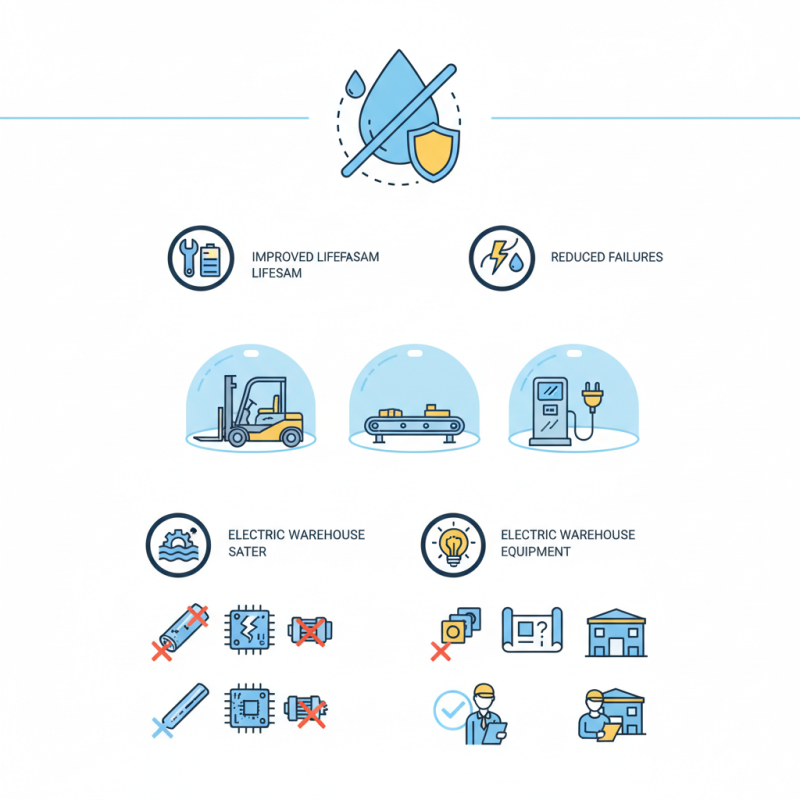
The Importance of Waterproofing for Electric Warehouse Equipment
Waterproofing electric warehouse equipment is crucial for multiple reasons. Equipment exposure to moisture can lead to malfunctions and costly repairs. According to industry reports, around 30% of warehouse equipment failures stem from water damage. This can significantly disrupt productivity and operations. Without proper waterproofing, downtime from repairs can escalate by up to 40%.
Tips: Regularly inspect your equipment for signs of moisture. Use protective covers during maintenance. This simple step can prolong equipment life.
Additionally, waterproofing protects against corrosion. Corrosion damages components and reduces efficiency. A report from a logistics management firm indicates that waterproofed equipment can maintain up to 90% of its original performance over time. This is vital for maintaining operational standards in busy warehouses. Investing in waterproofing methods pays off by enhancing safety and ensuring reliability.
Tips: Train staff on waterproofing importance. Regular training can lead to heightened awareness and vigilance. Prevention is key to avoiding costly mistakes.
Common Risks of Water Damage in Warehouse Environments
Water damage poses significant risks in warehouse environments. According to a report by the American Warehouse Association, approximately 25% of warehouses experience water damage each year. This can lead to financial losses reaching up to $2 million. The presence of moisture can compromise the integrity of stored goods and equipment.
Electric warehouse equipment is particularly vulnerable. Water can damage electronic components, leading to costly repairs or replacements. A study from the Risk Management Society highlighted that equipment failures due to water damage account for more than 15% of total warehousing losses. This can disrupt operations and reduce productivity, impacting overall business performance.
Proactive measures are essential. Waterproofing electric equipment can mitigate risks effectively. Simple steps, like using protective covers and ensuring proper drainage, can make a difference. Yet, many warehouses overlook these basic precautions, risking significant operational disruptions. Addressing these issues not only safeguards valuable assets but also enhances efficiency in logistics operations.
Statistical Overview of Equipment Failures Due to Moisture Exposure
Moisture exposure is a critical threat to electric warehouse equipment. Statistical reports highlight that approximately
30% of equipment failures are linked to water damage. This figure is alarming,
especially in industries where downtime can lead to substantial financial losses. Notably, the National Institute of Standards and Technology indicates that moisture can shorten
the lifespan of electric equipment by up to 50%.
It’s essential to take proactive measures.
Waterproofing your electric warehouse equipment can mitigate these risks significantly. Regular
maintenance checks are vital. Ensure seals and protective coverings are intact. This diligence can prevent costly repairs and disruptions.
Here are a couple of tips:
1. Invest in high-quality waterproof covers. These can be effective barriers against moisture.
2. Store equipment in climate-controlled environments whenever possible. Controlling humidity can further protect equipment from potential damage.
Overall, understanding these statistics emphasizes the need for waterproofing. The implications of neglect are severe. Evaluating your current setup might lead to improvements that enhance
safety and productivity.
Benefits of Waterproofing to Enhance Equipment Lifespan and Performance
Waterproofing electric warehouse equipment significantly enhances its lifespan and performance. Many warehouse operators underestimate the impact of moisture and water exposure. Whether it's rain, spills, or humidity, water can corrode vital components of electric equipment. This often leads to costly repairs and downtime. A waterproof design helps to protect sensitive electronics and internal wiring from damage.
Investing in waterproofing is not merely a precaution; it's a strategic move. Equipment that can withstand wet conditions operates more reliably. For example, consider electric forklifts. They face exposure to water frequently. Waterproofing helps maintain their optimal functioning and prolongs their operational life. Users often notice decreased maintenance costs over time.
However, not all waterproofing solutions are created equal. It's essential to consult experts for recommendations that suit your specific equipment. Some companies apply protective coatings that may not last long. Regular assessments are crucial to ensure adequate protection is maintained. Addressing these aspects leads to better decision-making and improves overall equipment reliability.
Why You Should Waterproof Your Electric Warehouse Equipment? - Benefits of Waterproofing to Enhance Equipment Lifespan and Performance
| Dimension |
Benefit |
Impact on Performance |
Estimated Lifespan Increase |
| Protection from Corrosion |
Prevents rust and deterioration |
Improves durability and safety |
Up to 30% |
| Reduced Maintenance Costs |
Lower frequency of repairs |
Enhances operational efficiency |
10-15 years |
| Enhanced Functionality |
Ensures equipment operates optimally |
Increases productivity |
15-20% |
| Extended Equipment Lifespan |
Longer operational life |
Improves long-term investment returns |
20-30% |
| Prevention of Electrical Failures |
Minimizes short circuits and failures |
Enhances reliability |
15-25% |
Industry Standards and Best Practices for Waterproofing Electric Equipment
Waterproofing electric warehouse equipment is essential for safeguarding operations. Adhering to industry standards ensures reliability and longevity. Many facilities overlook this critical step until it’s too late.
Effective waterproofing involves selecting the right materials. Look for options that have high IP ratings, indicating solid resistance against moisture and dust. Regular inspections are vital. They help identify wear and tear early. Some equipment might appear fine but can secretly harbor problems. Reflections on past incidents can guide future improvements.
Training staff about waterproofing practices is crucial. Employees should understand how to maintain equipment to prevent damage. This education can enhance workplace safety and prolong equipment life. Sometimes, the simplest techniques are forgotten during hectic days. Reminders about these basic practices can create significant positive impacts.
Conclusion
Waterproofing electric warehouse equipment is essential to protect against the common risks associated with water damage, which can lead to costly equipment failures and operational disruptions. Moisture exposure can severely compromise the performance and lifespan of electric devices, making it crucial for warehouse operators to understand how to waterproof electric warehouse equipment effectively.
By implementing industry standards and best practices for waterproofing, businesses can significantly reduce the likelihood of equipment malfunctions. Investing in waterproofing not only enhances the durability of the equipment but also contributes to a safer and more efficient working environment. A statistical overview reveals the alarming rate of equipment failures due to moisture, further emphasizing the need for proactive measures in waterproofing electric warehouse devices.
 LM Forklift
