What is the Turning Radius of a 3 Wheel Electric Forklift?

Time:2026-07-03 Author:Madeline
0%

Understanding the operational parameters of a 3-wheel electric forklift is vital for effective warehouse management. A key factor to consider is the turning radius. What is the turning radius of a 3-wheel electric forklift? This measurement impacts maneuverability in tight spaces.

Maneuverability enhances productivity and safety within a warehouse. A smaller turning radius allows for better navigation around aisles and obstacles. However, not all models have the same specifications. It is essential to know the exact turning radius of the forklift you plan to use.

When selecting a 3-wheel electric forklift, consider not just its lifting capacity but also its turning capabilities. Operators must be able to foresee potential challenges in confined areas. The turning radius is crucial for optimizing workflows. Understanding this aspect can help avoid accidents and improve overall efficiency in material handling.
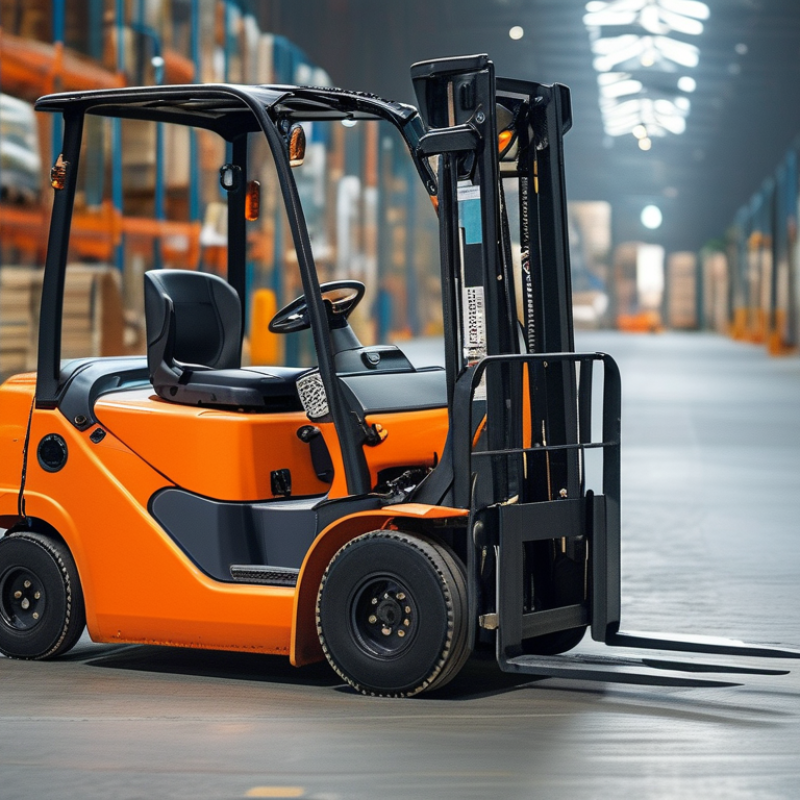
What is the Turning Radius of a 3 Wheel Electric Forklift?

Understanding the Turning Radius in 3 Wheel Electric Forklifts

The turning radius of a 3-wheel electric forklift significantly affects its maneuverability in tight spaces. These forklifts often have a smaller turning radius than their 4-wheel counterparts. A typical 3-wheel model can have a turning radius ranging from 32 to 48 inches. This compact design allows operators to navigate through narrow aisles more efficiently, optimizing warehouse space.

Understanding this turning radius is essential for maximizing operational efficiency. For instance, studies indicate that reducing the turning radius by just a few inches can boost productivity by up to 10%. In environments like retail or warehousing, where space is at a premium, this difference can be critical. However, a smaller turning radius may also lead to challenges, such as reduced stability when cornering at higher speeds.

Most operators recognize that while 3-wheel forklifts are agile, they might sacrifice load capacity for design compactness. Balancing these factors is crucial. Forklift operators should consider their specific needs and evaluate how the turning radius aligns with their workflow. Conducting thorough assessments before making a choice can help avoid operational mishaps.

What is the Turning Radius of a 3 Wheel Electric Forklift?

Model Turning Radius (inches) Weight Capacity (lbs) Overall Length (inches)
Model A 48 3000 58
Model B 45 3500 56
Model C 50 4000 60
Model D 47 3200 57

Factors Influencing the Turning Radius of Electric Forklifts

The turning radius of a three-wheel electric forklift is a critical factor in its performance. Several key elements influence this measurement. One significant aspect is the design of the forklift itself. A compact design typically allows for a tighter turning radius, enhancing maneuverability in tight spaces. The wheel configuration also plays a vital role. Three-wheeled models tend to pivot more effectively, making sharp turns possible.

Another fundamental factor is the load being carried. A forklift loaded with heavy materials will struggle to turn effectively compared to one that is unloaded. Weight distribution affects stability during turns. Operators must be mindful of this when navigating through narrow aisles or crowded environments. This insight highlights the need for skilled operators who can assess load impacts and adjust turning techniques accordingly.

The environment where the forklift operates also contributes to the turning radius. Floor conditions, such as smooth versus uneven surfaces, can affect maneuverability. Limited space creates real challenges. Operators must adapt and plan their movements carefully to avoid obstacles. Proper training is essential in these scenarios to optimize turning capabilities without risking safety.

Typical Turning Radius Measurements for Various Forklift Models

The turning radius of a three-wheel electric forklift is crucial for maneuverability. This measurement can vary significantly among different models. A typical range for three-wheel models is between 32 to 42 inches. Smaller forklifts are designed for narrow aisles, while larger units offer stability but require more space.

Understanding these measurements helps in selecting the right forklift for your operation. For instance, narrow aisle forklifts may have a turning radius as low as 29 inches. This allows them to easily navigate tight spaces in warehouses. Conversely, larger models may have turning radii exceeding 50 inches.

It’s important to recognize the trade-offs involved. A model with a smaller turning radius may compromise on load capacity or stability. Always consider the specific environment where the forklift will be used. Data from industry reports indicates that choosing the correct model can improve efficiency by 30% in space-constrained operations. Therefore, proper evaluation of turning radius is key to maximizing operational productivity.

Impact of Turning Radius on Warehouse Efficiency and Space Utilization

The turning radius of a three-wheel electric forklift is crucial for maximizing warehouse efficiency. A smaller turning radius allows for better maneuverability in tight spaces. This is especially important in warehouses where space is often limited. For instance, in a narrow aisle, a forklift with a tighter turning radius can navigate more easily, reducing the risk of collisions or accidents.

Warehouse efficiency is not just about speed; it involves smart space utilization. A forklift that turns more easily can help operators position pallets more accurately. This precision minimizes wasted movement and time spent repositioning loads. Additionally, it promotes better use of vertical space. When aisles are wider and less cluttered, more storage racks can fit into a given area, boosting total storage capacity.

However, relying solely on a forklift's turning radius can lead to oversights. Workers may become too reliant on the equipment's capabilities and neglect proper training. Understanding how to operate machinery effectively in confined spaces is still essential. As warehouses evolve and become more complex, the balance between equipment capability and operator skill remains a critical component of overall efficiency.

Comparative Analysis of 3 Wheel vs 4 Wheel Forklift Turning Radii

When examining the turning radii of three-wheel and four-wheel electric forklifts, several differences emerge. Three-wheel forklifts often excel in tight spaces due to their compact design. They have a smaller turning radius, allowing for easier maneuverability in narrow aisles. This feature makes them ideal for warehouses with limited space.

In contrast, four-wheel forklifts provide enhanced stability, especially when carrying heavier loads. Their turning radius is typically larger, which may be a disadvantage in confined areas. However, they are well-suited for outdoor applications and uneven terrain. Users should consider the specific needs of their operations when selecting between the two options. It's important to weigh the advantages of agility against the stability requirements for different tasks. Ultimately, understanding the distinctive turning radii can greatly influence operational efficiency in various environments.

FAQS

: What factors influence the turning radius of electric forklifts?

: The design of the forklift and the wheel configuration significantly impact its turning radius.

How does the load affect a forklift's turning radius?

Heavier loads can hinder a forklift’s ability to turn effectively. Weight distribution is crucial for stability.

What environmental conditions affect forklift maneuverability?

Floor conditions, like smooth versus uneven surfaces, and available space can impact turning capabilities.

What is a typical turning radius for three-wheel electric forklifts?

The typical turning radius ranges from 32 to 42 inches. Narrow aisle models can have a radius as low as 29 inches.

How does a smaller turning radius affect forklift performance?

A smaller turning radius can enhance maneuverability but may compromise load capacity or stability.

What is the advantage of three-wheel forklifts in confined spaces?

Three-wheel forklifts have a smaller turning radius, allowing for easier navigation in tight spaces like warehouses.

Why might one choose a four-wheel forklift?

Four-wheel forklifts are more stable, especially with heavier loads, making them suitable for outdoor use.

How can choosing the right forklift model impact efficiency?

Selecting the correct model can improve efficiency by 30% in space-constrained operations.

What should operators consider when operating forklifts in narrow aisles?

Operators must assess load impacts and adjust turning techniques to navigate safely in tight spaces.

What trade-offs should be considered between three-wheel and four-wheel forklifts?

The choice often depends on the need for agility versus stability, based on operational requirements.

Conclusion

The article "What is the Turning Radius of a 3-Wheel Electric Forklift?" explores the concept of turning radius specific to 3-wheel electric forklifts, emphasizing its significance in warehouse operations. Understanding the turning radius is crucial as it influences maneuverability in tight spaces, making it a key factor for maximizing warehouse efficiency and space utilization.

Several factors impact the turning radius, including the design of the forklift and the load being carried. The article provides typical turning radius measurements for various forklift models and compares the turning capabilities of 3-wheel versus 4-wheel forklifts. This comparative analysis highlights how a smaller turning radius can lead to enhanced operational efficiency in confined environments, ultimately showcasing the advantages of 3-wheel electric forklifts in modern warehousing.

Madeline

Madeline

Madeline is a dedicated marketing professional with a wealth of expertise in our company's core offerings. With a keen understanding of the industry, she brings a unique perspective to her role, consistently delivering high-quality content that highlights the superior aspects of our products. As......