Top Tips to Prevent Forklift Accidents in Busy Docks?

Time:2026-06-30 Author:Sienna
0%

Forklift operations at busy docks present significant risks. According to the Bureau of Labor Statistics, forklifts account for roughly 20,000 injuries each year in the United States alone. As logistics and freight operations grow, especially in high-traffic areas like docks, ensuring safety is paramount. This draws attention to the challenge of how to prevent forklift accidents in busy docks.

Training and protocol adherence are critical to mitigating risks. Industry experts suggest that implementing comprehensive training programs can reduce accidents by up to 30%. Regular safety audits help identify hazards proactively, but they often lack enforcement. It highlights a recurring issue: despite available guidelines, many facilities fail to cultivate a culture of safety.

Moreover, the design and layout of dock operations can significantly impact accident rates. Poor visibility and crowded environments increase danger, leading to mishaps that could have been avoided. A focus on improving these aspects is essential. Ultimately, fostering awareness and accountability among workers is vital. Everyone must engage in promoting a safe workplace. Understanding how to prevent forklift accidents in busy docks is not merely a guideline; it’s an essential aspect of operational integrity.
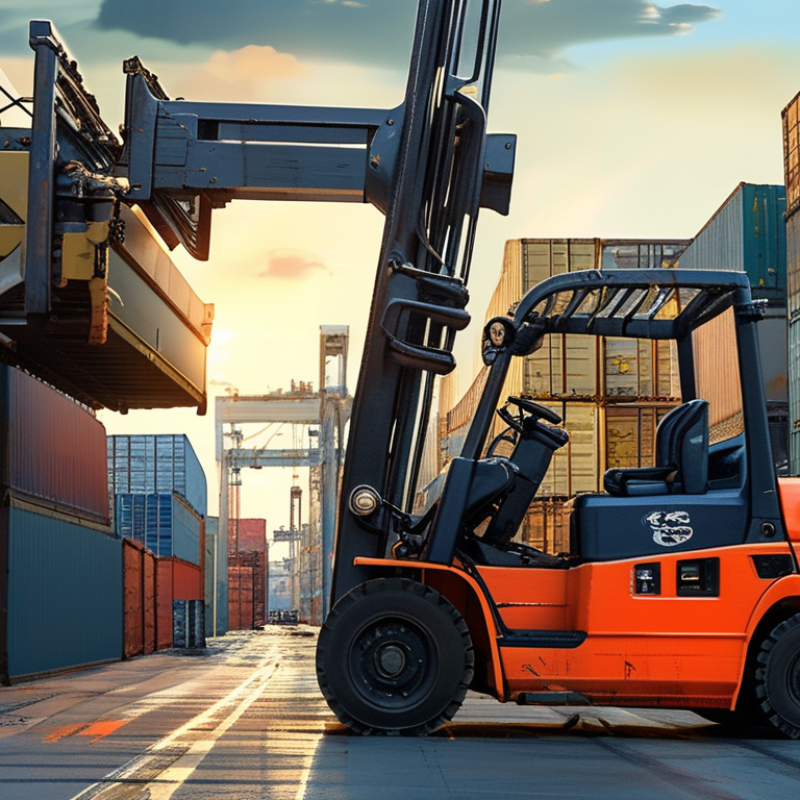
Top Tips to Prevent Forklift Accidents in Busy Docks?

Importance of Safety Protocols in Dock Operations

Safety protocols are crucial in busy dock operations to prevent forklift accidents. Docks are fast-paced environments. Workers must remain vigilant. Each day, numerous vehicles and personnel share the same space. This creates a high-risk situation. Proper training is essential. Workers should be trained on the safe operation of forklifts. They must understand blind spots and weight limits. Risky behaviors lead to accidents. Employees must wear appropriate safety gear. Helmets and high-visibility vests are vital.

Communication is another key element. Using clear signals can prevent misinterpretation. Verbal warnings should be loud and clear. Additionally, a visual communication system may help. For instance, colored flags can signal movement and hazards. Regular safety meetings can reinforce these practices. These discussions should address day-to-day challenges. This reflective approach promotes a culture of safety.

Routine inspections of equipment are non-negotiable. Forklifts should be checked daily for any faults. A malfunctioning vehicle is a significant danger. Maintenance records should be transparent and updated. This oversight fosters accountability. Everyone should be encouraged to report issues without fear. Building a safe dock environment is a collective responsibility. It requires commitment from every individual involved.

Understanding Forklift Types and Their Operational Hazards

Forklifts are vital for operations in busy docks, but they come with specific hazards. Understanding the different types of forklifts and their risks is essential for safety. Counterbalance forklifts are common, but their large size can create visibility issues. Reach forklifts can navigate tight spaces, yet they are prone to tipping over if loaded incorrectly.

One effective tip is to ensure that operators are well-trained on the specific forklift they will use. Familiarity with the machine’s controls can prevent many accidents. Regular maintenance checks also play a crucial role in safety. Keeping forklifts in top condition reduces the risk of mechanical failures.

Another critical aspect is the work environment. Dock areas are often crowded. Clear pathways and marked zones for pedestrian traffic can minimize incidents. Employees should wear high-visibility clothing and stay alert. An organized space not only enhances efficiency but also improves safety.

Top Tips to Prevent Forklift Accidents in Busy Docks

Forklift Type Operational Hazard Prevention Tip Recommended Training
Counterbalance Forklift Tipping Over Ensure load is within specified limit and balanced Preventive safety training
Reach Truck Limited Visibility Use mirrors and cameras for better visibility Visibility awareness training
Pallet Jack Overloading Regularly check load limits Load management training
Order Picker Falling Objects Always wear hard hats in work zones Safety gear training
Rough Terrain Forklift Instability on Uneven Surfaces Perform terrain assessments before operating Terrain safety training

Implementing Effective Training Programs for Forklift Operators

Forklift operators are vital in busy docks, yet accidents can happen. Effective training programs play a crucial role in enhancing safety. Comprehensive training should cover not only basic operations but also real-world scenarios. Operators should practice maneuvers in controlled environments. This boosts confidence and reduces risks when they move to busy areas.

Hands-on training is essential. It helps operators become familiar with their equipment. The more they know about the forklift's capabilities, the better decisions they can make. Regular assessments can pinpoint areas needing improvement. Feedback from experienced drivers can lead to valuable insights. These refining practices enhance skill and understanding.

It’s important to acknowledge that even well-trained operators can make mistakes. Factors like fatigue and stress often influence performance. Training programs should include stress management techniques. Incorporating simulations of high-pressure situations can help operators respond better in real life. Regular refresher courses can also be beneficial. This ensures that safety protocols remain top of mind. Continual learning is key in preventing accidents in busy docks.

Establishing Clear Communication Procedures in Busy Work Areas

Effective communication is essential in busy dock areas. When forklifts and pedestrians operate in close proximity, misunderstandings can lead to accidents. Establishing clear communication procedures can significantly reduce risks. Workers should be trained to use hand signals and communication devices. This helps ensure everyone is aware of forklift movements.

Regular briefings can enhance awareness. During these meetings, workers can discuss safety protocols and update each other on any changes. These interactions promote a safety-first mindset. A culture of openness encourages team members to voice concerns about safety without hesitation.

It's also vital to implement designated walkways for pedestrians. Mark these paths clearly and ensure they are always accessible. Signage should highlight forklift zones, reminding everyone to stay alert. While these measures may seem simple, they are crucial in preventing accidents. Remember, fostering a safe environment requires continuous improvement and effort from everyone involved.

Regular Maintenance and Inspection of Forklift Equipment

Regular maintenance and inspection of forklift equipment are crucial in preventing accidents at busy docks. Forklifts are heavy machines that can cause serious injuries if not properly maintained. Regular checks ensure that all components function well, reducing the risk of mechanical failure.

One key tip is to create a maintenance schedule. This schedule should include daily, weekly, and monthly checks. Inspect brakes, lights, and tires regularly. Keep records of these inspections for accountability. A well-documented history will help identify patterns in equipment performance.

Training operators on maintenance procedures also plays a vital role. Operators should know how to spot potential issues before they escalate. Encourage them to report any irregular sounds or behaviors during operation. An attentive team will foster a culture of safety.

Finally, involve a certified technician for thorough inspections. Even a small oversight can lead to accidents. Take maintenance seriously; it’s an investment in workplace safety. Regular checks are not just formalities—they save lives.

FAQS

: What are common hazards associated with forklifts?

: Forklifts can create visibility issues and tipping risks if not used correctly.

Why is operator training important?

Well-trained operators understand controls better, reducing accident chances.

How does regular maintenance contribute to forklift safety?

Regular checks keep forklifts in good condition, lowering mechanical failure risks.

What should be considered in a dock area environment?

Clear pathways and marked pedestrian zones can minimize accidents.

How can clear communication improve safety?

Establishing hand signals and using communication devices helps everyone stay aware.

What role do regular briefings play in safety?

They promote discussions on safety protocols and foster a safety-first mindset.

Why is designing walkways important?

Designated pedestrian paths reduce the chance of accidents near forklifts.

How can signage enhance safety in busy areas?

Signage reminds workers to stay alert in forklift zones, improving awareness.

What mindset should be encouraged among team members?

A culture of openness encourages workers to voice safety concerns.

What’s essential for continuous safety improvements?

Ongoing effort from all team members is crucial for maintaining a safe environment.

Conclusion

In addressing the critical issue of how to prevent forklift accidents in busy docks, it is essential to prioritize safety protocols within dock operations. Implementing comprehensive safety measures helps mitigate risks associated with various types of forklifts and their operational hazards. This includes establishing effective training programs for forklift operators to ensure they are well-equipped to handle equipment safely and efficiently.

Moreover, fostering clear communication procedures in crowded work environments is vital for enhancing safety. Regular maintenance and inspection of forklift equipment further contribute to accident prevention by ensuring that all machinery is functioning properly. By focusing on these key areas, dock operations can significantly reduce the likelihood of forklift-related incidents, thereby safeguarding both personnel and cargo.

Sienna

Sienna

Sienna is a skilled marketing professional with a deep expertise in our company’s core products and services. With a passion for innovation and detail, she plays a pivotal role in crafting insightful blog posts that not only highlight the unique features of our offerings but also provide valuable......