LM Forklift
Using electric jacks for heavy loads on inclines requires caution and knowledge. When dealing with significant weight, stability becomes critical. How to handle heavy loads on an incline with electric jacks demands attention to detail. It is essential to understand the mechanics of the equipment fully.
Electric jacks offer convenience but can be dangerous if not used correctly. Choosing the right jack with sufficient weight capacity is vital. Regular maintenance is also necessary to ensure safe operation. Training and experience play important roles in mastering this task.
Common pitfalls occur when users underestimate the incline or the jack's limits. Imbalance can lead to accidents. Awareness of these risks can make a difference. Ensuring proper positioning of the jack and load management helps in avoiding mishaps. Always consider the terrain and environmental factors. Being prepared and cautious is the key to safe heavy load handling on inclines.
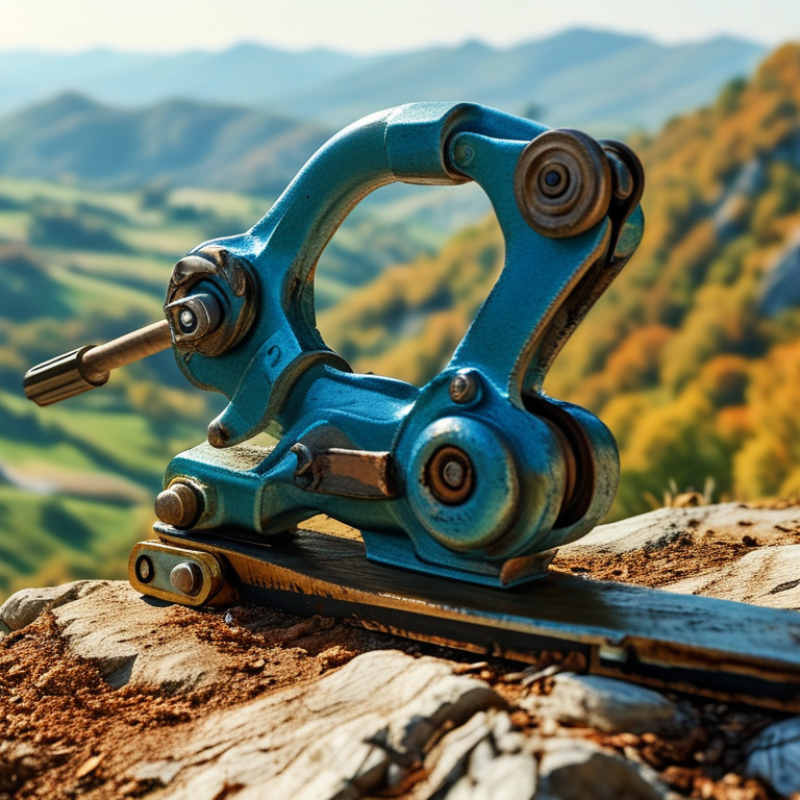
Electric jacks are essential tools for lifting heavy loads, especially on inclines. Understanding the different types available is vital for safe and efficient use. There are primarily two categories: hydraulic and electric screw jacks. Hydraulic jacks are popular due to their power, often used in construction. They can lift multiple tons, making them suitable for heavy machinery. Electric screw jacks, on the other hand, are ideal for precision lifting. They operate slowly but offer better control, especially on slopes.
Industry reports indicate that improper use of jacks can lead to accidents. According to the National Safety Council, approximately 20,000 injuries occur annually related to equipment misuse. To prevent these incidents, operators must select the right type based on the load and surface angle. Additionally, maintenance is crucial. Regular inspections increase reliability. Fatigue from repeated use can cause parts to wear down, leading to failures.
While electric jacks are efficient, they are not without flaws. Operators often overlook the manual's guidelines, leading to misuse. Furthermore, understanding load limits is crucial. Exceeding these limits can cause sudden drops. This not only damages equipment but also poses significant safety risks. The importance of training and adherence to safety standards cannot be overstated.
Choosing the right electric jack is crucial for safety, especially when dealing with heavy loads on inclines. You must assess the load capacity before making a selection. Electric jacks come with specific weight limits. Exceeding these limits can cause failure or accidents. Always check the manufacturer's guidelines and verify weight before use.
Consider the incline's angle when selecting your electric jack. A steeper incline adds stress to the equipment. It’s wise to factor in this added pressure. A jack rated for 2,000 pounds may struggle under certain conditions. Therefore, use a jack with a higher capacity than your estimated total weight.
Using an electric jack involves risks. If not careful, you might neglect maintenance. Regularly inspect the jack for wear and tear. Look for rust or damage. Poorly maintained equipment can lead to malfunctions. Always approach electric jacks with caution. Understand that mistakes can happen. Always prioritize safety, and think critically about your choices.
When preparing an incline for electric jacks, safety is paramount. Start by assessing the site thoroughly. Look for loose gravel or uneven surfaces. These can compromise stability. A well-packed surface is crucial for safety. Inspect the slope’s angle. If it’s too steep, consider alternate methods.
Next, set up barriers. Use cones or warning signs to keep bystanders clear. Ensure that the area is well-lit, especially if working at dusk. Check the jacks for any visible damage or wear. Defective equipment increases risks. Having a double-check system can reduce mistakes.
Finally, communicate clearly with your team. Establish specific roles and signals. This helps prevent chaos during operation. A lack of coordination can lead to accidents. Continuous training is vital for everyone involved. Reflect on previous experiences to improve future processes. Each job is unique, so adapting your approach is essential for ongoing safety.
This chart highlights the importance level of various safety measures to consider when using electric jacks on inclines. Each measure is rated on a scale from 1 to 10, ensuring that proper safety protocols are followed to prevent accidents and injuries.
Using electric jacks on inclines requires careful attention to operation techniques. According to a report by the Occupational Safety and Health Administration (OSHA), improper handling of loads can lead to serious accidents. When using electric jacks on slopes, ensure that the equipment is rated for the specific angle of the incline. Most jacks have a maximum incline rating. Exceeding this can compromise stability.
Begin by assessing the slope's grade. A gentle incline may seem manageable, but unexpected shifts can occur. Position the jack on a flat area at the base of the incline if possible. This minimizes the risk of rollback. Maintain a clear area around the jack, as errant movements can be hazardous. Statistics indicate that around 20% of electric jack incidents involve improper setup and location choice.
It is essential to check the jack's load capacity before operation. A common mistake is underestimating the weight of the load. Overloading can cause jacks to malfunction, leading to severe injuries. Make sure to use appropriate accessories, such as wheel chocks, on slopes. These prevent movement during operation. User training is key. Regular practice and understanding safe load handling also enhance efficiency.
Electric jacks are essential for lifting heavy loads on inclines. To ensure safe performance, regular maintenance and thorough inspections are crucial. A study by the National Institute for Occupational Safety and Health (NIOSH) indicates that improper equipment maintenance leads to nearly 30% of workplace accidents.
Inspect electric jacks before each use. Check for wear and tear on cables, connectors, and the lifting mechanism. Replace worn parts immediately. A monthly inspection of the jack's hydraulic fluid levels can also prevent failures during operation.
Tips: Always keep the area around the jack clean. Debris can obstruct movement and pose hazards.
Maintenance schedules should be documented. Tracking service history enhances reliability. Refer to manufacturer guidelines for specific maintenance tasks. Remember, neglecting these tasks can lead to unexpected breakdowns. Unsafe equipment puts operators at risk. Engage a qualified technician for periodic checks to maintain optimal functionality.
Tips: Educate workers on signs of malfunction. Promoting awareness can reduce risks on-site.
: Assessing load capacity ensures safety and prevents accidents. Exceeding weight limits can lead to equipment failure.
Incline angles affect stress on the jack. A steeper incline requires a jack with a higher load capacity.
Inspect the jack regularly for rust or damage. Poor maintenance can lead to malfunctions and unsafe conditions.
Assess the site for loose gravel and uneven surfaces. Ensure the area is well-lit and mark it with barriers.
Clear communication helps ensure team members know their roles. Coordination reduces the risk of accidents during operation.
Improper handling can cause serious accidents. It's vital to follow proper operation techniques to avoid risks.
Wheel chocks prevent movement during operation. They enhance stability on inclines and reduce the risk of accidents.
Many underestimate the weight of their load. This can lead to overloading and potential equipment malfunction.
A double-check system involves verifying equipment before use. It reduces mistakes and increases overall operational safety.
Reflection helps identify what went wrong previously. It enables teams to adjust approaches and enhance safety measures.
Using electric jacks for heavy loads on inclines requires a clear understanding of their types and appropriate applications. It’s crucial to assess the load capacity and select the right electric jack that can safely support the weight. Preparing the incline involves implementing safety measures and conducting a thorough site assessment to identify any potential hazards.
Proper operation techniques are essential when handling heavy loads on an incline with electric jacks. Operators must be well-trained and follow safety protocols to prevent accidents. Regular maintenance and inspection of the electric jacks are vital to ensure they perform safely and effectively over time. By following these guidelines, users can handle heavy loads on inclines with greater safety and efficiency.
