 LM Forklift
LM Forklift
LM Forklift
Maintaining the safety and performance of electric forklifts is crucial in industrial settings. One of the key maintenance tasks involves understanding when to replace electric forklift tires. Properly functioning tires ensure optimal handling and reduce the risk of accidents. Worn tires can lead to decreased traction and stability, jeopardizing both operators and equipment.
It's essential to monitor tire condition regularly. Look for signs of wear such as cracks, blisters, or insufficient tread depth. These indicators help determine when to replace electric forklift tires. Ignoring these signs can lead to hazardous situations.
Operators must remain vigilant. Environmental factors also impact tire lifespan. Operating on rough surfaces can accelerate wear. Regular inspections and awareness of the operating conditions contribute to better decision-making. Ultimately, recognizing when to replace electric forklift tires enhances safety and productivity on the job.
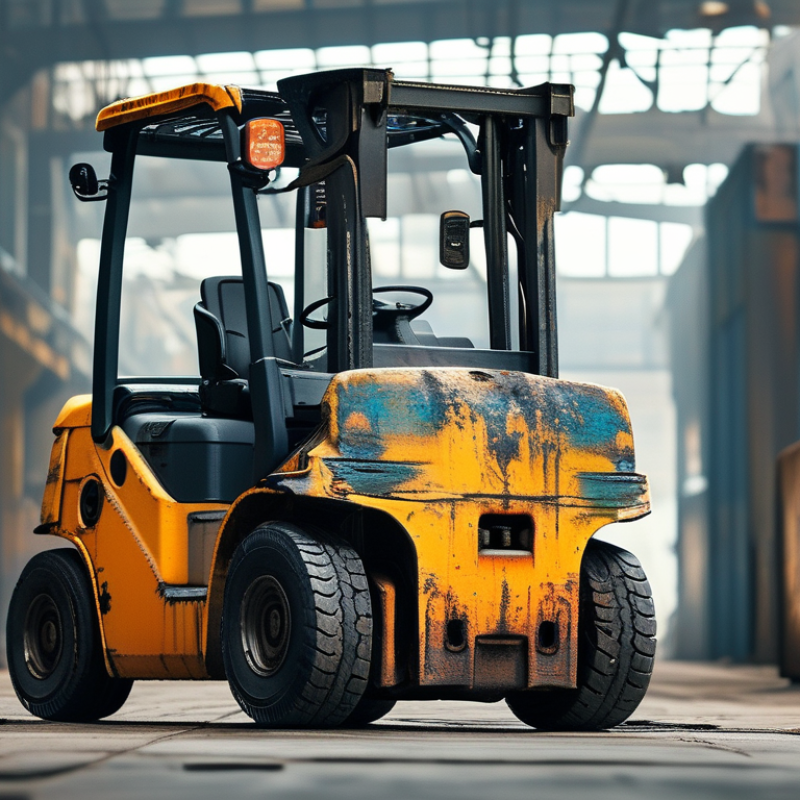
Electric forklifts are increasingly popular in warehouses and manufacturing environments. However, tire maintenance is crucial for operational safety. According to a report from the Forklift Safety Institute, nearly 30% of workplace injuries stem from equipment failure, commonly due to worn tires. Properly maintained tires provide stability and traction, essential for the safe movement of goods.
Regular inspections can prevent accidents. Worn tires may cause tipping or loss of control, leading to costly injuries or damage. The National Safety Council recommends replacing tires when tread depth falls below 1/8 inch. Additionally, look for signs of cracking or uneven wear. These indicators often signify that a tire is beyond its safe usage.
Neglecting tire maintenance might seem minor, but it has significant implications. Many operators underestimate the impact of tire condition on overall safety. Ignoring these details can lead to severe repercussions. Employees must be trained to recognize when tires need replacing. By prioritizing tire maintenance, companies not only comply with safety regulations but also protect their workforce and assets.
: Tire maintenance is crucial for safety. Worn tires can lead to accidents, causing injuries and damages.
Monthly inspections are recommended. High-use environments may require checks more often.
Visible damage like cracks, bulges, or low tread depth indicates it’s time for a replacement.
Neglecting tires can lead to severe accidents. It’s essential to prioritize tire condition for safety.
Yes, uneven wear can indicate alignment issues. This can cause operational instability and require immediate attention.
Low pressure increases wear and can cause tire failure during operation. Regular pressure checks are essential.
Yes, training employees on recognizing tire issues can reduce risks and extend tire life.
Maintaining electric forklift tires is crucial for ensuring workplace safety and optimal performance. Understanding when to replace electric forklift tires is essential, as worn tires can lead to decreased traction, stability issues, and increased risk of accidents. Key signs indicating the need for tire replacement include visible wear patterns, reduced grip on surfaces, and consistent tire punctures.
Industry standards often suggest regular inspections, and tire replacement should occur based on usage conditions and wear rates specific to each operational environment. Adopting best practices for tire inspection, such as checking for tread depth and visual damage, can prevent safety hazards and improve overall efficiency in operations. Being proactive in replacing electric forklift tires not only upholds safety but also enhances the performance of the equipment.
