LM Forklift
When it comes to managing warehouses, electric stackers play a vital role. However, one common concern among operators is, "Why does my electric stacker make a squeaking noise?" Understanding this issue is crucial. Joe Thompson, a seasoned warehouse equipment specialist with over fifteen years of experience, notes, "Ignoring unusual sounds in electric stackers can lead to bigger problems."
Squeaking noises often signal underlying issues. These could stem from worn-out parts, inadequate lubrication, or misalignment. Such problems not only impact productivity but may also pose safety risks. A well-maintained electric stacker is essential for efficient operations. However, many operators overlook routine checks. They may not realize that minor sounds can indicate significant maintenance needs.
Identifying squeaks early can save time and resources. A technician might emphasize the importance of addressing these noises promptly. Understanding why your equipment squeaks can lead to effective, preventive solutions. So, when faced with that unsettling noise, don’t hesitate to investigate its cause.
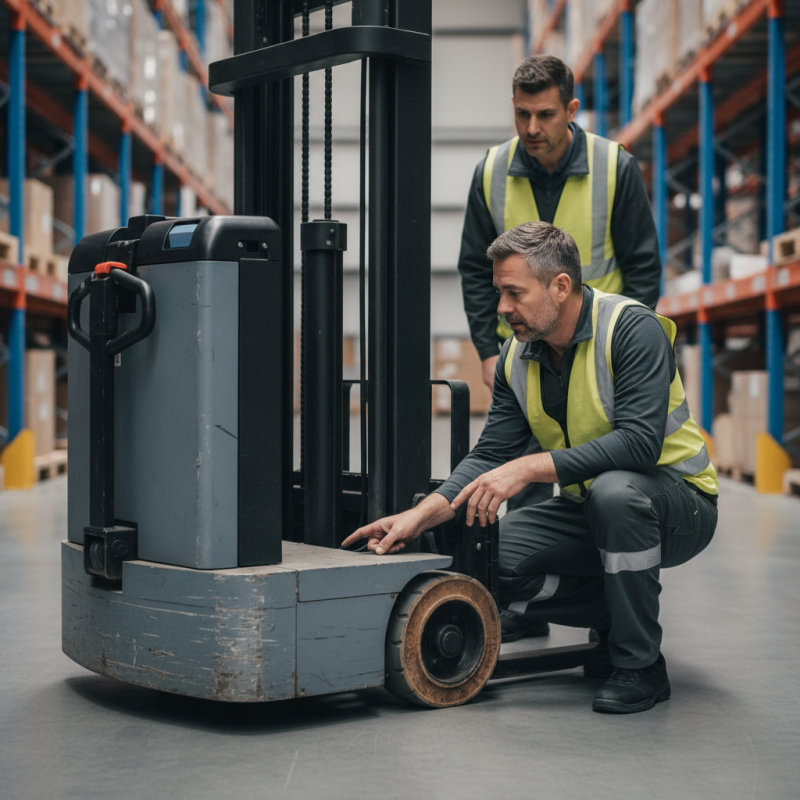
Squeaking noises from your electric stacker can be both annoying and concerning. Identifying the cause of this sound is essential for maintaining the equipment's performance. Often, a lack of lubrication leads to metal-on-metal contact. Remember, regular maintenance helps prevent wear and tear. If you notice a squeak, inspect the moving parts for proper lubrication.
Another common reason for squeaking is damaged or worn components. Check the wheels and bearings; if they seem uneven or broken, replacing them might be necessary. These small repairs can significantly reduce noise and improve the stacker's efficiency. Sometimes, underlying issues like misalignment can contribute to the noise. If the stacker is not functioning correctly, it might require professional evaluation.
Dust accumulation can also be a culprit. Dust can infiltrate the stacker's moving parts, causing friction and noise. Regular cleaning should be part of your maintenance routine. Lastly, consider the environment where the stacker operates. A rough surface can amplify noises. Observing these details can lead to better performance and a quieter workspace. Addressing these issues proactively reflects good maintenance practices.
Electric stackers are indispensable in warehouse operations. When they produce a squeaking noise, it often indicates wear or misalignment in their mechanical components. These stackers typically consist of motors, gears, and various joints that facilitate smooth operation. A report by the Material Handling Industry revealed that proper maintenance can reduce operational noise and increase the lifespan of equipment by up to 30%.
Routine maintenance is essential. The noise might stem from dry bearings or worn-out gears. Checking lubrication levels regularly can prevent these issues. When lubricating, ensure to use the recommended type for the specific stacker model. Gears should mesh smoothly. Misalignment can cause squeaking and eventual breakdown. Always look for any visible wear on components during inspections.
Here are some tips: Always keep a maintenance log. This helps track repairs and replacements. Recheck components if noise persists. Documenting findings helps create a proactive maintenance strategy. Consider replacing squeaky parts immediately to avoid further damage. Regular feedback from operators can provide insights into performance and potential issues. Knowing what to listen for is vital in ensuring operational efficiency.
Electric stackers are essential tools in many warehouses. However, they can sometimes produce annoying squeaking noises. Understanding the common causes of these sounds can help with maintenance and improve operational efficiency.
One primary reason for squeaking is the wear and tear of the wheels. When wheels become misaligned or overly worn, they can create friction, leading to noise. Regular inspections of wheel condition can prevent this issue. Additionally, the forks and mast might accumulate debris or dirt over time. This buildup can hinder smooth movement and lead to unwanted sounds. Regular cleaning and lubrication can help maintain performance.
Another possible cause is the hydraulic system. If the hydraulic fluid is low or contaminated, it might cause the stacker to squeak during operation. Regular checks of hydraulic fluid levels are essential for ensuring silent and efficient operation. Also, tight or loose components in the stacker's framework may vibrate, causing squeaking. It's crucial to perform routine maintenance checks to secure all bolts and screws. Addressing these common causes can improve the reliability of your electric stacker.
Squeaking noises from electric stackers can significantly affect their performance. These sounds often indicate friction or wear in components. When parts rub against each other, efficiency drops. Manufacturers recommend regular maintenance to prevent issues. A squeaking stacker may struggle with lifting capacities. It's essential to address these noises promptly.
Ignoring squeaks can lead to more severe problems. Components may become damaged over time, leading to costly repairs. This also affects safety, posing risks to operators and others nearby. A well-maintained stacker runs smoother and lasts longer. Keeping an ear out for unusual sounds is a crucial practice for any operator.
Identifying the source of the noise is key. It might originate from wheels, brakes, or forks. Each area requires different approaches for lubrication or adjustment. Operators should perform routine checks and listen carefully during use. Documenting any changes in sounds can help in troubleshooting. This proactive approach cultivates a safer work environment.
Squeaking noises from electric stackers can be annoying. Regular maintenance is essential to keep your stacker running smoothly. Dust and debris buildup can create friction between moving parts. Cleaning these components regularly removes obstacles that cause noise. It is advisable to inspect the wheels too. Worn or dirty wheels can generate unwanted sounds and hinder performance.
Lubrication is a key maintenance tip. Use appropriate lubricants to keep joints and bearings functioning properly. If you notice squeaking, check the lubrication levels. Over time, greases can dry out and lead to increased friction. A lack of lubrication may indicate a need for thorough inspections, even if no immediate issues are apparent.
Another aspect to consider is the alignment of components. Ensure that the forks and mast are properly aligned. Misalignment can cause unnecessary stress and lead to squeaking. Regularly checking these alignments can prevent future issues. Taking the time to address these factors enhances the efficiency of your electric stacker and ensures a quieter operation.
This bar chart illustrates the top reasons why electric stackers may produce squeaking noises, along with maintenance tips to prevent these issues.
: Squeaking can be due to metal-on-metal contact from lack of lubrication. Regular maintenance is crucial.
Inspect moving parts for proper lubrication. Addressing lubrication levels helps minimize noise significantly.
Check the wheels and bearings for damage. Replacing worn components may improve stacker efficiency and reduce noise.
Dust buildup can create friction, leading to squeaks. Regular cleaning helps maintain smooth operation.
A rough surface can amplify sounds. Ensure your stacker operates on suitable terrain for quieter performance.
Misalignment can cause unnecessary stress and noise. Regular checks can prevent future issues and extend equipment life.
If squeaking persists after lubrication, consider a professional evaluation to identify underlying issues.
Regular maintenance checks should be a monthly routine. This helps catch issues before they become significant.
Use appropriate lubricants for joints and bearings. Ensure they are suitable for your stacker type for optimal performance.
Many neglect maintenance until problems arise. Proactive care leads to better performance and fewer headaches later on.
The article "Top 5 Reasons Why Does My Electric Stacker Make a Squeaking Noise?" explores the common issues that lead to unwanted sounds in electric stackers. It begins by explaining the essential mechanical components of these machines, which can often contribute to squeaking noises. The article then identifies several common causes, such as worn-out bearings, misalignment, and insufficient lubrication, all of which can affect stacker performance.
Additionally, it discusses the negative impact of these squeaking noises on the overall functionality of electric stackers, potentially leading to decreased efficiency and increased wear over time. To mitigate these issues, the article concludes with effective maintenance tips aimed at preventing squeaking noises and ensuring smoother operation. Understanding why an electric stacker makes a squeaking noise is essential for maintaining optimal performance and prolonging the life of the equipment.
