LM Forklift
In today’s fast-paced industrial landscape, the choice of power source can significantly impact operational efficiency. Experts argue that "Why is lithium battery better for multi-shift operations?" is a question worth exploring deeply. John Smith, a leading battery technology expert, states, “Lithium batteries unlock new levels of productivity in continuous operations.” This insight emphasizes the potential benefits lithium batteries offer to industries relying on multi-shift systems.
Lithium batteries excel due to their rapid charging capabilities and longer lifespan compared to traditional options. They offer consistent power output, important in high-demand environments. Industries utilizing forklifts or automated machinery stand to gain significantly. However, one must consider initial investment costs, which can be higher. Yet, the long-term savings through reduced maintenance and downtime often justify this expense.
Transitioning to lithium technology requires careful planning. Companies may face challenges in integrating new systems into existing operations. Despite this, the advantages are clear. Improved energy density and efficiency position lithium batteries as a strong choice for multi-shift operations. Pursuing this change may seem daunting, but the potential for enhanced productivity makes it worthwhile.
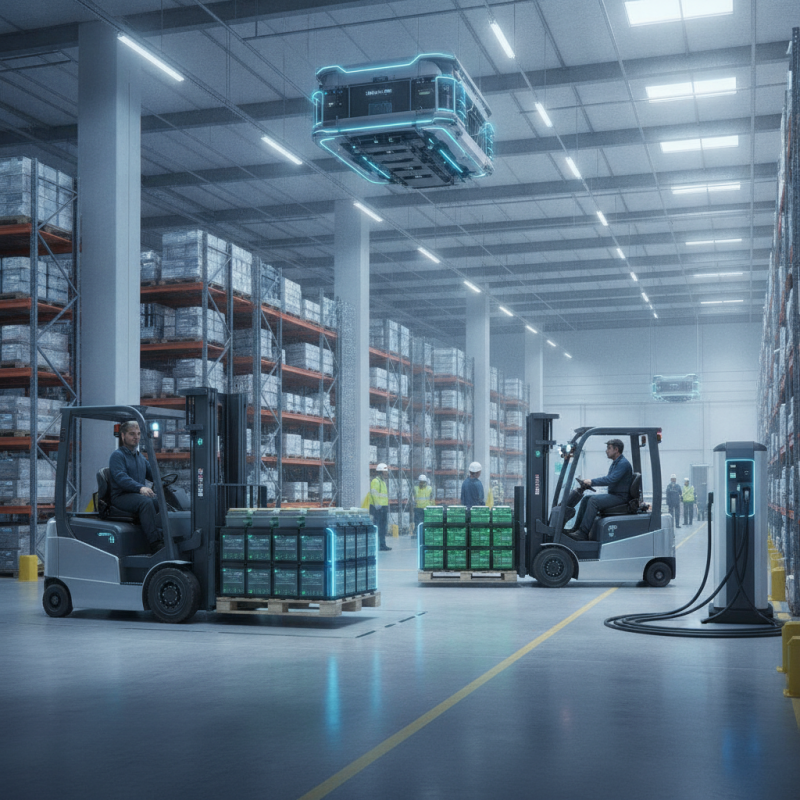
Lithium batteries are increasingly favored for multi-shift operations due to their numerous advantages. One key benefit is faster charging. Unlike traditional lead-acid batteries, lithium options can recharge in under two hours. This rapid turnaround allows for maximum uptime in busy operations. Reduced downtime leads to increased productivity, essential for maintaining operational efficiency.
Another significant advantage is temperature tolerance. Lithium batteries perform well in diverse conditions. They can operate effectively in cold and hot environments. This reliability can reduce maintenance needs, as operators face fewer performance issues. With consistent performance, workers can rely on these batteries during peak hours.
However, there are considerations to keep in mind. The upfront cost of lithium batteries is higher than their lead-acid counterparts. This might raise concerns for budget-conscious operations. Yet, the long-term savings on charging time and maintenance can outweigh initial investments. As businesses weigh their options, understanding these nuances is crucial for informed decision-making.
Lithium batteries are emerging as a leading choice for multi-shift operations due to their impressive energy efficiency and performance. These batteries can charge up to 70% faster than traditional lead-acid ones. According to a report from Research and Markets, lithium batteries can deliver up to 30% more energy density. This efficiency is crucial for operations that require quick turnarounds. The ability to recharge during breaks means more uptime and less downtime.
Furthermore, lithium batteries have a longer lifecycle, often exceeding 2,000 charge cycles. This longevity translates to lower replacement costs over time. Companies can benefit from the reduced battery maintenance required, as lithium systems typically do not require watering or equalization. With a decrease in total cost of ownership, organizations can allocate funds to other areas of the business. Still, decision-makers must weigh these advantages against initial investment costs that can seem high.
Real-world applications of lithium batteries have shown that they operate effectively in extreme conditions. However, there is room for improvement in terms of environmental impact. The extraction of lithium poses sustainability challenges, leading to questions about the overall ecological footprint of these technologies. Companies must continuously evaluate these aspects as they transition into lithium solutions, ensuring responsible practices to maximize benefits while reducing potential drawbacks.
Lithium batteries are becoming essential for multi-shift operations. Their rapid charging capabilities are a game changer. Industries that rely on uninterrupted workflows can benefit significantly. In fact, recent reports indicate that lithium batteries can be charged to 80% in just 30 minutes. This reduces downtime, allowing operations to continue almost seamlessly.
The advancement of charging technologies is noteworthy. For instance, some facilities have adopted fast-charging stations. These stations utilize smart grid technology. This optimizes energy usage and reduces costs. According to research from industry analysts, companies can see a 20% increase in productivity when using rapid charging solutions. However, some challenges remain. Charging infrastructure can be costly to implement and maintain.
Additionally, battery lifespan is a concern. Although lithium batteries offer fast charging, they may degrade over time with frequent cycles. A study showed that, under strenuous conditions, battery performance could diminish significantly after just a few hundred charges. Therefore, ongoing assessment of battery health is crucial. Ultimately, adopting rapid charging technologies must be balanced with these considerations for long-term sustainability.
In multi-shift operations, longevity and maintenance are critical factors. Lithium battery systems excel in these areas, offering more extended asset life compared to traditional batteries. They have fewer cycles of degradation, resulting in less frequent replacements. This longevity reduces downtime and enhances operational efficiency.
One essential tip for maximizing the lifespan of lithium batteries is to monitor their charging cycles closely. Overcharging can lead to diminished performance. Regular maintenance checks are vital. These systems require minimal upkeep, but any signs of wear should not be overlooked. Addressing even minor issues promptly can prevent more significant problems later.
Lithium batteries are also lighter and take up less space. This design can be crucial in environments with limited space. However, it's important to understand their thermal needs. Maintaining the right operating temperature can help avoid overheating. Always confirm that the battery is in a well-ventilated area for optimal performance.
Lithium batteries play a crucial role in reducing the environmental impact of energy storage. Their energy density is about three times higher than that of lead-acid batteries. According to the International Energy Agency (IEA), lithium-ion batteries can reduce greenhouse gas emissions by up to 50% in comparison to traditional alternatives.
Recycling lithium batteries poses challenges. Only about 5% of lithium-ion batteries are currently recycled effectively. Improving recycling processes can mitigate some environmental concerns. New technologies are emerging that can reclaim materials, reducing the need for raw lithium extraction, which can be environmentally damaging.
The production process of lithium batteries does have its downsides. Extracting lithium is resource-intensive and can harm local ecosystems. However, the overall lifecycle impact remains favorable compared to fossil fuels. Transitioning to renewable energy sources can amplify the benefits of lithium technology while minimizing harm. Understanding these nuances is vital for future progress.
| Reason | Description | Environmental Impact | Sustainability Factor |
|---|---|---|---|
| High Energy Density | Lithium batteries store more energy per unit of weight, maximizing operational time. | Lower carbon footprint per energy output compared to lead-acid batteries. | Longer lifespan reduces waste and resource consumption. |
| Fast Charging | Quick to recharge, enabling minimal downtime during shifts. | Shorter charging times lead to more efficient energy use. | Supports renewable energy integration, enhancing sustainability. |
| Low Maintenance | Requires less upkeep compared to other battery types. | Decreases resource use over time due to reduced repair needs. | Fewer repairs imply less material waste and resource extraction. |
| Durability | Resilient to temperature variations and physical shocks. | Longer life cycle results in lower environmental impact. | Long-lived products reduce the frequency of replacement. |
| Lightweight | Easier to handle and transport, improving logistics. | Less energy needed for transportation due to reduced weight. | Encourages use in energy-efficient vehicles and machinery. |
| Widely Recyclable | Components are increasingly recyclable. | Recycling reduces environmental toxins and resource needs. | Promotes a circular economy in battery production. |
| Performance | Consistent performance over a wide range of conditions. | Reliable performance minimizes waste in energy use. | Higher efficiency leads to less energy consumption. |
| Safety | Built-in safety mechanisms prevent overheating and fires. | Safer operation translates to less waste from accidents. | Improved safety standards enhance long-term sustainability. |
| Cost-Effectiveness | Lower total cost of ownership over battery lifespan. | Economic benefits support sustainable practices in businesses. | Encourages responsible investment in energy solutions. |
| Compatibility with Renewable Energy | Can store energy from solar and wind sources efficiently. | Facilitates a reduction in fossil fuel dependency. | Supports transition to sustainable energy systems. |
: Lithium batteries charge rapidly, allowing for near-continuous operations. They can reach 80% capacity in just 30 minutes.
Companies can see up to a 20% increase in productivity with rapid charging technologies. This reduces operational downtime significantly.
Implementing charging infrastructure can be expensive. Maintenance costs can also add up over time, making it a long-term investment.
Yes, lithium batteries may degrade with frequent charging cycles. Performance can diminish significantly after several hundred charges.
Lithium batteries can reduce greenhouse gas emissions by up to 50%. Their energy density is significantly higher than lead-acid batteries.
Only about 5% of lithium-ion batteries are effectively recycled. Improving recycling processes is crucial for sustainability.
Extracting lithium can harm local ecosystems and is resource-intensive. It raises questions about sustainability and environmental responsibility.
Emerging technologies can reclaim materials from used batteries. This reduces the need for new lithium extraction and helps mitigate environmental issues.
Regular assessments can help identify any performance issues early. This ensures long-term operational efficiency and resource management.
It can amplify the benefits of lithium batteries while minimizing their environmental impact. A balanced approach is necessary for future progress.
Lithium batteries are increasingly recognized as the ideal power source for multi-shift operations due to their numerous advantages. One key factor is their energy efficiency and performance, which allow for sustained high output over extended periods. Additionally, the rapid charging technologies associated with lithium batteries enable quick turnaround times, ensuring that equipment remains operational with minimal downtime.
Another significant aspect is the longevity and low maintenance requirements of lithium battery systems, resulting in decreased operational costs and increased productivity. Furthermore, lithium batteries contribute positively to environmental sustainability, offering a cleaner alternative compared to traditional battery types. In summary, why is lithium battery better for multi-shift operations? The combination of efficiency, rapid recharge capability, durability, and eco-friendliness makes them the preferred choice for businesses aiming to enhance their operational efficiency and sustainability.