LM Forklift
Efficient storage solutions are imperative in today's fast-paced logistics industry. The rise of e-commerce has heightened the demand for maximizing warehouse space. According to a recent report by the Warehousing Education and Research Council (WERC), companies that optimize their storage can reduce costs by up to 30%. This brings us to the question: How to optimize narrow aisle storage with VNA trucks?
Expert Jason McGowan, a leading authority in warehouse management, emphasizes, “Utilizing VNA trucks allows for a 50% increase in storage density.” This innovation is critical in narrow aisles where space is limited. However, effective implementation can be challenging. Operators must assess aisle widths and load requirements carefully. Without proper planning, efficiency gains might not materialize.
Moreover, training staff on VNA operations is key. An untrained operator can lead to accidents and damage, negating potential benefits. As this industry evolves, understanding how to optimize narrow aisle storage with VNA trucks becomes essential. Striking a balance between efficiency and safety remains a continuous goal for warehouse managers.
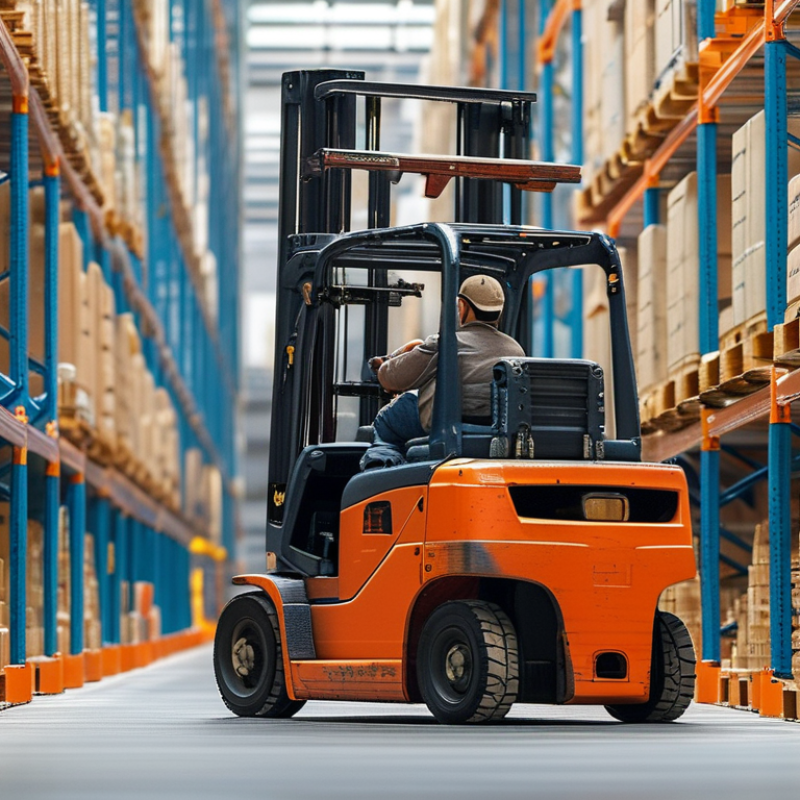
Narrow aisle storage systems are becoming increasingly popular in warehouses. They are designed to maximize space while allowing efficient access to products. This space-saving approach is essential as businesses strive to optimize their operations. VNA (Very Narrow Aisle) trucks play a crucial role in these environments, improving the overall efficiency of storage solutions.
VNA trucks are specifically engineered to navigate tight spaces. These vehicles have a unique design, allowing them to operate in aisles as narrow as 1.6 meters, which is significantly smaller than traditional forklifts. With such compact maneuverability, VNA trucks can help businesses increase storage density. This can lead to up to 50% more inventory being stored compared to standard warehouse layouts. However, the high initial investment and potential maintenance costs require careful evaluation.
Implementing a VNA system is not without challenges. Workers may need specialized training to operate these trucks safely and efficiently. Moreover, the technology can be complex, necessitating regular updates and repairs. Businesses must weigh these factors against the benefits. While the efficiency gains are notable, logistical challenges can arise if not properly managed. The key lies in balancing the optimization of storage space with the practicalities of day-to-day operations.
Narrow aisle storage requires precision and efficiency. Very Narrow Aisle (VNA) trucks are designed to navigate tight spaces. They enable warehouses to maximize vertical space. For instance, studies show that VNA trucks can increase storage capacity by up to 30%. This optimization is vital in crowded warehouses.
Key features of VNA trucks enhance operational efficiency. The ability to lift loads up to 40 feet allows for better vertical utilization. Advanced navigation systems help operators steer securely in limited areas. Ergonomic controls improve operator comfort, reducing fatigue during long shifts. It’s worth noting that worker safety plays a crucial role. A 2022 report emphasized that a safe environment boosts productivity by 25%.
Battery efficiency is another significant feature. High-efficiency lithium-ion batteries extend operational hours. However, relying solely on battery life can lead to downtime. Workers must promptly recharge batteries to avoid interruptions. This reflects the challenge of balancing efficiency with operational limits.
Streamlined maintenance protocols are essential to keep VNA trucks in top shape. Regular checks can prevent unexpected failures, which could be costly.
Optimizing space utilization in narrow aisles can significantly enhance warehouse efficiency. To achieve this, it is essential to deploy Very Narrow Aisle (VNA) trucks effectively. These trucks allow for tighter aisle spacing, increasing storage capacity by using vertical space. However, it’s crucial to analyze the layout first. Poorly planned layouts can lead to inefficiencies and wasted space.
Another strategy involves implementing an advanced warehouse management system. This system can help track inventory in real-time, ensuring that the right products are stored in optimal locations. An accurate inventory improves picking efficiency. Nevertheless, staff training is often overlooked. Employees must be well-trained to maneuver VNA trucks precisely and safely. Misjudgments during operation can damage stock or lead to accidents.
Providing adequate maintenance for VNA trucks plays a vital role in optimizing storage. Regular checks can prevent breakdowns that disrupt operations. Surprisingly, many facilities neglect this aspect, leading to inefficient workflows. Encouraging a culture of feedback can also help identify problems in the aisles. Engaging employees in the improvement process can uncover unique insights that management may overlook. It’s essential to remain open to refining strategies continually for better space utilization.
Maintaining and operating VNA trucks in narrow aisle storage requires a blend of best practices. Regular maintenance is critical. Consistent checks on battery performance can extend the truck's lifespan by 15-20%. According to industry reports, planned maintenance can reduce unplanned downtime by about 30%. This highlights that neglecting routine checks can lead to costly interruptions.
Driver training is equally essential. Properly trained operators reduce the risk of accidents by 50%. This not only enhances safety but also optimizes warehouse productivity. Also, understanding load limits is crucial. Overloading often leads to equipment strain and increases the risk of damage. Reports indicate that maintaining proper weight distribution improves lifting efficiency by 20%.
Daily inspections should include brakes, steering and forks. Even minor issues can cause significant safety hazards. Frequent audits can help identify patterns that signal potential problems. Keeping detailed logs of these inspections is vital. Transparency fosters accountability and allows managers to make informed decisions. Neglecting these areas might expose warehouses to serious risks. Optimal usage and upkeep of VNA trucks are not just about efficiency; it's about enabling a safe and reliable storage environment.
Narrow aisle storage presents unique challenges. Integrating technology and automation can enhance efficiency. Automated guided vehicles (AGVs) streamline the movement of goods. They reduce the need for manual handling. This leads to greater safety and accuracy in order picking. Implementing a
real-time inventory management system also helps. It minimizes errors and keeps stock organized.
Investing in advanced software for data analysis improves decision-making. It helps identify patterns and optimize warehouse layouts. However, training staff to operate new technologies is critical. Resistance to change can hinder progress. Also, the initial investment can be daunting for some businesses.
Balancing automation with human oversight ensures adaptability. It's essential to monitor performance metrics continuously. Regular assessments can reveal areas needing improvement. Reflecting on the efficiency of current systems fosters innovation. Embracing technology requires ongoing commitment and flexibility.
trucks used for in warehouses?
They can increase storage capacity by up to 30%, which is significant in crowded warehouses.
VNA trucks can lift loads up to 40 feet, enhancing vertical space utilization.
A safe environment boosts productivity by 25%, making safety a crucial concern.
Downtime can occur if batteries are not recharged promptly, reflecting operational limits.
Regular checks prevent unexpected failures, but many facilities neglect this, causing inefficiencies.
Proper training is vital; misjudgments can lead to accidents or damaged stock.
They track inventory in real-time, ensuring optimal storage locations and improving picking efficiency.
Engaging employees can reveal unique insights, helping refine strategies for better space utilization.
They can cause inefficiencies and wasted space, impacting overall warehouse effectiveness.
The article "How to Optimize Narrow Aisle Storage with VNA Trucks Efficiently" delves into the advantages and operational efficiencies offered by Very Narrow Aisle (VNA) trucks in maximizing storage capabilities in confined spaces. It begins with an overview of narrow aisle storage concepts and highlights the key benefits of VNA trucks, such as increased lift height and enhanced maneuverability.
Further, the content provides actionable strategies for optimizing space utilization in narrow aisles, emphasizing the importance of layout planning and strategic shelving. Best practices for maintaining and operating VNA trucks are discussed to ensure longevity and productivity. Lastly, the article explores the integration of technology and automation in narrow aisle storage, showcasing how these advancements can further streamline warehouse operations. Overall, it serves as a comprehensive guide on how to optimize narrow aisle storage with VNA trucks to boost efficiency and productivity in warehousing environments.
