How to Maintain Electric Forklift in Winter for Optimal Performance?

Time:2026-07-31 Author:Ethan
0%

As winter approaches, it becomes vital for businesses to ensure their electric forklifts operate efficiently. Understanding "how to maintain electric forklift in winter" can make a significant difference in performance and safety. According to John Smith, a seasoned technician in the forklift industry, “Winter maintenance is not just advisable; it’s essential for optimal performance.”

Electric forklifts face unique challenges in cold temperatures. Battery performance decreases in low temperatures, impacting lift capacity. Choosing the right battery and maintaining its charge level is vital during this season. Regular checks of tire pressure and fluid levels also play a crucial role in ensuring smooth operation.

Neglecting winter maintenance can lead to performance issues. Always inspect your forklift before heavy usage in cold conditions. While many operators might overlook these steps, they are essential for safety and efficiency. Addressing these maintenance needs might seem tedious, but the long-term benefits outweigh the temporary inconveniences.
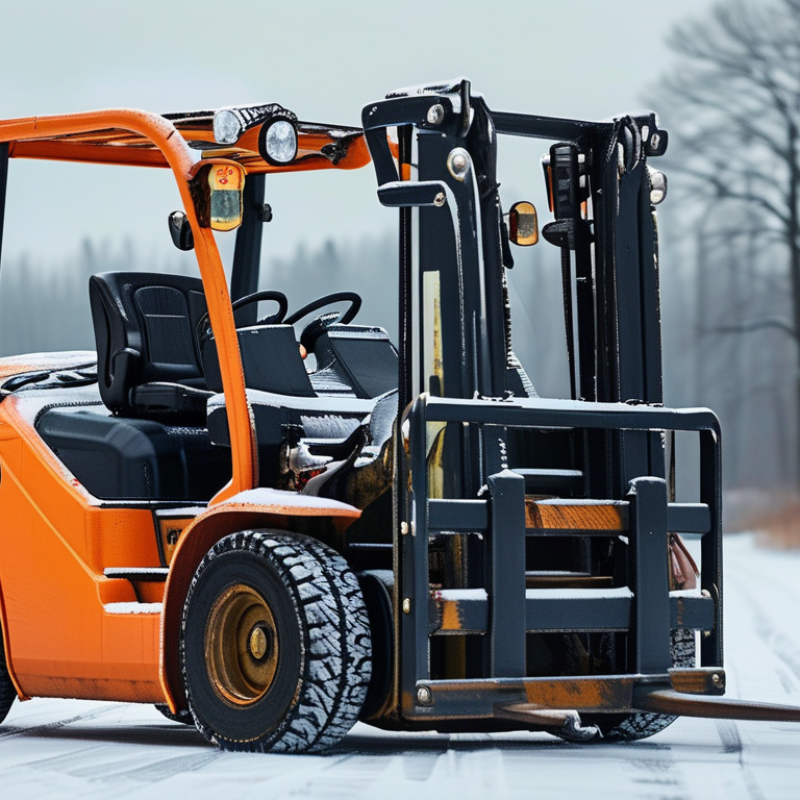
How to Maintain Electric Forklift in Winter for Optimal Performance?

Understanding the Impact of Winter on Electric Forklift Performance

Winter conditions can significantly impact the performance of electric forklifts. Cold temperatures can reduce battery efficiency, resulting in shorter operating times. Research indicates that battery capacity can drop by up to 30% at temperatures below freezing. Proper maintenance becomes crucial in these months.


Battery care is critical. Ensuring batteries remain charged and maintaining proper electrolyte levels can prevent freezing. Additionally, using insulated battery covers can help maintain optimal temperatures. According to industry studies, regular maintenance checks can extend battery life by 25%.


Tire performance also changes in winter. Cold weather can alter tire pressure, affecting grip and maneuverability. A drop in tire pressure of just 1 psi can reduce load capacity by 2%. Keeping tires properly inflated and checking tread depth can enhance safety and performance. Inadequate attention to these details may lead to increased downtime and repair costs.

Preparing Your Electric Forklift for Cold Weather Operation

Preparing your electric forklift for cold weather operation involves several key steps. Cold temperatures can decrease battery efficiency, impacting lift performance. According to industry reports, battery capacity can drop by up to 50% in extreme cold. This change can hinder daily operations and increase downtime.

Regular battery maintenance is crucial. Ensure the battery is fully charged before the onset of winter. Keep terminals clean to prevent corrosion. Warm-ups can help; running the forklift for a few minutes before starting heavy tasks allows the battery to stabilize. Make it a routine to check the electrolyte levels. Low levels can lead to battery damage, further reducing efficiency.

Inspect the hydraulic system and seals as well. Cold weather can make fluids thicker, leading to sluggish operation. Use viscosity ratings recommended for winter conditions. Monitor tire pressure. Cold air can cause tires to deflate, which affects traction. Remember that every forklift is unique. Not all machines will perform the same in winter, so learn from your experiences. Adjust accordingly as you notice any operational challenges.

How to Maintain Electric Forklift in Winter for Optimal Performance?

Maintenance Task Description Frequency Notes
Battery Check Inspect battery for proper charge and any damage. Weekly Charge fully before operating in cold.
Tire Inspection Check tire pressure and tread condition. Bi-weekly Ensure tires are suitable for winter traction.
Fluid Levels Ensure all fluids are topped up, including coolant. Monthly Use winter-grade fluids when possible.
Cleaning Remove any debris or ice buildup. After each shift Prevent rust and mechanical issues.
Electrical System Inspect wiring and connections for any damage. Monthly Check for corrosion especially in winter.

Essential Maintenance Checks for Winter Readiness

Winter can be harsh on electric forklifts. Proper maintenance during this season is vital for optimal performance. Cold temperatures can affect battery efficiency, tire traction, and overall functionality. According to the Industrial Truck Association, more than 70% of electric forklift failures can be traced back to maintenance neglect in winter months.

Conduct regular battery checks. Ensure proper charging and watering practices. Cold weather can decrease battery performance by up to 20%. A poorly maintained battery may fail to keep the forklift operational. Inspect connections for corrosion and clean them as necessary.

Tire maintenance is also crucial. Winter can lead to reduced tire grip on slippery surfaces. Check for proper inflation regularly. Look for wear patterns that indicate uneven pressure. Ensure that your tires are appropriate for winter conditions. Some operators may overlook this, risking safety and efficiency.

Lastly, keep the forklift clean. Ice and snow can build up, affecting functionality. Inspect moving parts for lubrication issues. Regular maintenance can mitigate many issues before they escalate. Taking proactive steps ensures that your electric forklift remains reliable in winter months.

Essential Maintenance Checks for Electric Forklifts in Winter

Best Practices for Battery Care in Low Temperatures

Winter can severely impact the performance of electric forklifts. Cold temperatures affect battery life and efficiency. Studies have shown that battery capacity can drop by up to 20% at temperatures below 32°F (0°C). Proper battery care is crucial during this season.

For optimal performance, keep batteries charged. Avoid letting them drain completely. A fully charged battery performs better and lasts longer in cold conditions. Check electrolyte levels regularly. Low levels can lead to reduced efficiency and potential damage. Maintain a clean surface on terminal connections. Dirty terminals can lead to power loss.

Consider implementing a heating system for batteries in extreme cold. This can dramatically improve performance and charging speed. Additionally, using insulators can prevent heat loss. Monitoring battery temperatures frequently is essential. It’s a practical step to ensure that batteries operate within the ideal range. Regular maintenance checks help identify any underlying issues early.

Tips for Ensuring Safe and Efficient Forklift Operation in Winter

Winter poses unique challenges for electric forklift operations. Low temperatures can affect battery performance and vehicle efficiency. It’s essential to conduct regular checks on battery levels and ensure they are fully charged before use. Cold temperatures can lead to slower charging and reduced runtime, so plan ahead.

Tire traction is critical in winter conditions. Inspect tires for wear and ensure they are suitable for snow and ice. Adding chains can improve grip, but always assess the terrain. Operators should be trained to navigate slippery surfaces carefully. Visibility can decrease in winter; ensure that lights and reflectors are functioning properly.

Regular maintenance is vital for safe performance. Lubricate moving parts to prevent freezing. Examine hydraulic fluids, as they can thicken in cold. Operators should be aware of their equipment's limitations. If your forklift struggles in cold weather, don't push it beyond its capacity. Reflection on operational procedures can help identify potential risks.

FAQS

: How does cold weather affect electric forklift performance?

: Cold temperatures can decrease battery efficiency by up to 50%, hindering lift performance.

What should I do to maintain the battery during winter?

Ensure the battery is fully charged and terminals are clean to prevent corrosion.

How can I prepare the forklift for cold weather?

Warm up the forklift before heavy tasks to help stabilize the battery's performance.

Why is inspecting the hydraulic system important?

Cold weather can thicken fluids, leading to sluggish operation. Always check seals and fluids.

How should I manage tire pressure in winter?

Inspect tire pressure regularly, as cold air can cause tires to deflate. Proper traction is essential.

What training do operators need for winter conditions?

Operators must be trained to navigate slippery surfaces and understand their equipment's limitations.

How can I improve tire grip in snowy conditions?

Consider adding chains to tires, but assess the terrain before doing so.

What if my forklift struggles in cold weather?

Don't push the machine beyond its capacity. Reflect on your procedures to identify risks.

How can visibility be maintained during winter?

Ensure all lights and reflectors are functioning properly to enhance visibility in low light.

What routine checks should be conducted during cold weather operation?

Regularly check battery levels, tire conditions, and lubricate moving parts to prevent freezing.

Conclusion

Maintaining electric forklifts in winter is crucial for ensuring optimal performance in cold weather conditions. Understanding the impact that low temperatures can have on forklift operation is the first step. Cold weather can reduce battery efficiency and affect overall machine performance, making it essential to prepare your forklift adequately. Key maintenance checks, such as inspecting fluids, cables, and tires, help ensure the forklift is winter-ready.

Furthermore, proper battery care is vital during the colder months. Keeping batteries charged and warm can prevent power loss and extend battery life. Implementing best practices for safe and efficient operation, such as ensuring clear pathways and using appropriate safety gear, will help mitigate risks associated with winter conditions. By knowing how to maintain electric forklift in winter, operators can enhance safety and efficiency, maximising productivity throughout the season.

Ethan

Ethan

Ethan is a seasoned marketing professional with a deep expertise in our company's innovative product line. With a passion for sharing knowledge and insights, he takes the lead in regularly updating our corporate blog, where he explores industry trends, product features, and effective marketing......