2026 How to Identify Common Causes of Forklift Motor Failure?

Time:2026-06-10 Author:Ethan
0%

In the world of material handling, forklifts play a crucial role. They ensure efficiency in warehouses and construction sites. However, forklift motor failures can lead to significant operational challenges. Understanding what are the common causes of forklift motor failure is vital for maintenance teams. It helps prevent unexpected downtimes and costly repairs.

Forklift motors may fail due to various reasons. Electrical issues often top the list, including poor wiring or dead batteries. Overheating is another frequent culprit, often caused by extended use without adequate cooling time. Additionally, contamination from dust and debris can impair motor performance. Regular inspections can help locate these problems early.

Ignoring these factors can lead to a cycle of repeated failures. Operators may overlook warning signs, thinking the issue is minor. This mindset can exacerbate problems, leading to larger breakdowns. Reflecting on past maintenance records can reveal patterns and provide insights into recurring issues. Knowledge is key to avoiding future failures.
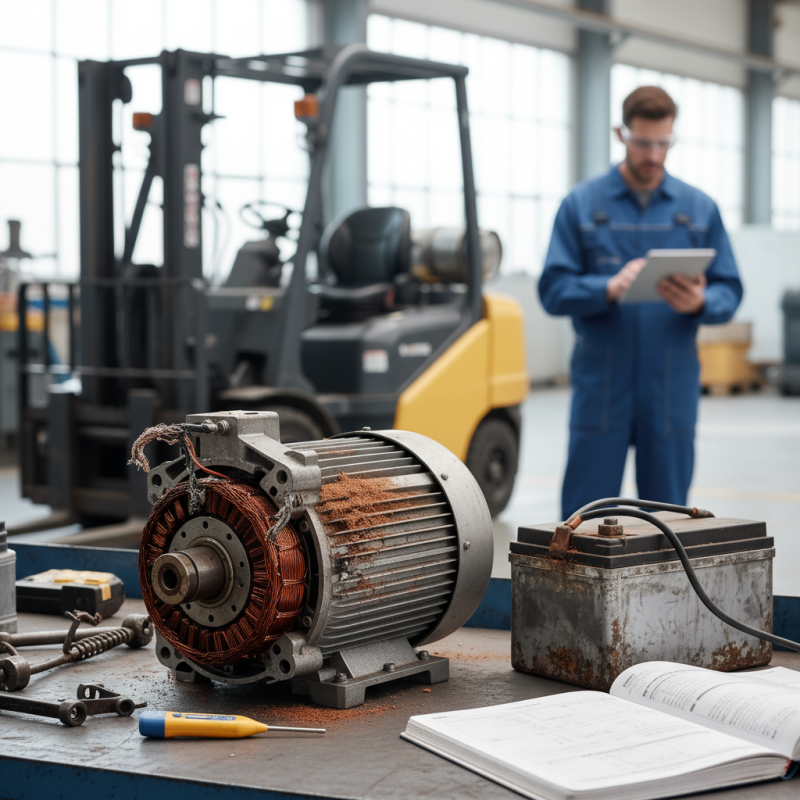
2026 How to Identify Common Causes of Forklift Motor Failure?

Causes of Forklift Motor Failure: An Overview

Forklift motors can experience failures for various reasons. Understanding these causes is essential for effective maintenance and repair. Common issues include electrical failures, overheating, and mechanical wear. Electrical problems typically stem from faulty wiring or bad connections. These can lead to sudden motor shutdowns. Inspections should focus on the battery and the wiring harness.

Overheating is another frequent issue. It can arise from extensive use without proper breaks. Lack of cooling can cause the motor to fail prematurely. Regular maintenance checks can help in identifying potential overheating issues. Operators should also be mindful of load capacities. Exceeding limits strains the motor. This often leads to greater wear and tear.

Mechanical wear is inevitable over time. Bearings and brushes may deteriorate, affecting performance. Regular inspections can reveal signs of wear before they lead to motor failure. Keeping a detailed log of maintenance can provide insights into patterns of wear. This proactive approach may help prevent unexpected breakdowns. Balancing efficiency with cautious operation is necessary for longevity.

2026 How to Identify Common Causes of Forklift Motor Failure

Understanding Forklift Motor Components and Their Functions

Understanding forklift motor components is crucial for identifying common failure causes. The motor itself is comprised of several parts, including the armature, fields, and brushes. Each component plays a specific role in the motor's operation. The armature rotates to create mechanical power, while the fields generate magnetic forces. Faulty brushes can disrupt the flow of electricity, leading to performance issues.

Heat is another factor influencing forklift motor health. Overheating can occur due to prolonged use or inadequate maintenance. When a motor overheats, it affects the insulation of wires. This often leads to short circuits and motor failure. Regularly inspecting the motor for signs of wear or heat damage is vital. Small signs may indicate deeper issues. Ignoring these warnings can result in significant repair costs.

Another common issue is electrical failure. Connections can become loose over time. Corrosion can also develop, impacting electrical flow. Inspecting wiring and connections periodically can help detect these problems early. Many operators overlook these routine checks. Taking the time to perform them can help to prevent unexpected downtime and costly repairs. A proactive approach to maintenance is always more effective than dealing with sudden breakdowns.

Common Symptoms of Forklift Motor Malfunctions

Forklift motors are crucial for efficient operations, but they're not immune to malfunctions. Recognizing symptoms of motor failure can save time and costs for warehouse managers. A common sign to watch for is unusual noises. Grinding or clunking sounds often indicate internal issues. Vibrations that seem excessive could also mean something is wrong.

Another red flag is a loss of power. If the forklift struggles to lift loads or accelerates slowly, the motor may be underperforming. Frequent overheating is another serious concern. Motors should run cool under normal conditions. If overheating occurs, it may indicate electrical problems or worn-out components. Additionally, smoke or burning smells are alarming signs that should never be ignored.

Regular maintenance is essential, but sometimes issues arise unexpectedly. Poor electrical connections or dirty terminals can cause intermittent power loss. Ignoring these signs can lead to more significant failures. Taking immediate action upon noticing these symptoms can help extend the lifespan of the forklift motor and ensure smooth operations.

Preventive Measures to Avoid Motor Failure in Forklifts

Preventive measures are essential for avoiding forklift motor failure. Regular maintenance can significantly extend the life of a forklift's motor. A study by the National Institute for Occupational Safety and Health shows that improper maintenance leads to 75% of forklift-related accidents. Scheduling routine checks can decrease motor-related issues.

Monitoring operating conditions is vital. High temperatures and overloading can strain the motor. According to the American Society of Safety Professionals, a 10% overload can reduce the motor's lifespan by up to 50%. Keeping the forklift within its rated capacity helps prevent unnecessary wear. Regular inspections of the battery and electrical systems also support optimal performance.

Training personnel on proper usage is another key factor. Many motor failures stem from operator error. Statistics indicate that 30% of motor failures result from misuse. Investing in staff training can mitigate these risks. Simple practices, like proper use of the throttle, can have a lasting impact. By incorporating these preventive measures, businesses can reduce the likelihood of motor failures and enhance safety in the workplace.

2026 How to Identify Common Causes of Forklift Motor Failure? - Preventive Measures to Avoid Motor Failure in Forklifts

Failure Cause Description Preventive Measures Frequency of Occurrence
Overheating Motor temperature exceeds safe limits, causing damage. Regular cooling system checks and proper ventilation. High
Electrical Issues Faults in wiring or connections lead to motor failure. Routine electrical inspections and maintenance. Medium
Poor Maintenance Neglecting regular service intervals can lead to problems. Schedule regular maintenance and service checks. High
Excessive Load Overloading can strain the motor beyond its capacity. Follow load capacity guidelines and provide training. Medium
Contaminated Oil Dirty or degraded oil can impede motor efficiency. Use high-quality oil and change it regularly. Low

Troubleshooting Techniques for Diagnosing Motor Issues

When diagnosing forklift motor issues, observing the motor's performance is crucial. Look for signs like unusual noises or overheating. These symptoms can indicate deeper problems. A thorough inspection not only saves time but also prevents future breakdowns.

Tips: Always check the power supply. Loose connections can disrupt performance. A simple examination can reveal hidden issues.

Analyzing the electrical components is essential. Check wiring for wear or damage. Corroded terminals can lead to failure. Testing the battery’s voltage can also provide insights.

Tips: Replace worn-out wires promptly. This small action can extend motor life.

Evaluating the motor's environment matters too. Excessive dust or moisture can impact functionality. Regular cleaning should be part of maintenance routines.

Tips: Implement a cleaning schedule. A clean environment reduces failure risks.

FAQS

: What are common causes of forklift motor failure?

: Common causes include electrical failures, overheating, and mechanical wear. Each can lead to significant issues.

How does overheating affect forklift motors?

Overheating can cause premature motor failure. It often results from extensive use without proper breaks.

What is a key maintenance tip to prevent motor failure?

Regular inspections of wiring and battery connections can detect issues early, preventing unexpected breakdowns.

How can I recognize electrical failures in forklift motors?

Look for loose connections and corrosion. These can disrupt electrical flow and lead to performance issues.

Why is it important to keep a log of maintenance?

A detailed log helps track wear patterns. This proactive approach can prevent unexpected motor failures.

What role do the armature and brushes play in a forklift motor?

The armature creates power, while brushes ensure consistent electrical flow. Faulty brushes can disrupt performance.

How can environmental factors influence motor health?

Excessive dust or moisture can impair functionality. Regular cleaning is essential to maintain optimal performance.

What should I do if I hear unusual noises from the forklift motor?

Unusual noises may indicate deeper issues. Conduct a thorough inspection to identify potential problems.

How can load capacities affect forklift motors?

Exceeding load capacities strains the motor, increasing wear and tear. Operators must balance efficiency with cautious operation.

What’s a simple tip for extending motor life?

Replace worn-out wires promptly to prevent larger issues. Small actions can lead to significant improvements.

Conclusion

The article "2026 How to Identify Common Causes of Forklift Motor Failure?" explores the critical factors that contribute to forklift motor malfunctions. It begins with an overview of the various causes of forklift motor failure, emphasizing the importance of understanding forklift motor components and their specific functions. By recognizing the common symptoms of motor issues, operators can swiftly identify when a problem arises, ensuring timely intervention.

Additionally, the article highlights preventive measures to avoid motor failure in forklifts, such as regular maintenance and inspections. It also provides practical troubleshooting techniques for diagnosing motor issues, enabling operators to effectively address problems before they escalate. Ultimately, readers will gain insight into what are the common causes of forklift motor failure and learn best practices to maintain optimal forklift performance.

Ethan

Ethan

Ethan is a seasoned marketing professional with a deep expertise in our company's innovative product line. With a passion for sharing knowledge and insights, he takes the lead in regularly updating our corporate blog, where he explores industry trends, product features, and effective marketing......