 LM Forklift
LM Forklift
LM Forklift
When facing the question, "Why is my forklift hydraulic system leaking?", it’s essential to understand the complexities of hydraulic systems. John Smith, a renowned forklift technician with over fifteen years of experience, states, "Hydraulic leaks can stem from various sources, requiring systematic troubleshooting." This insight highlights the critical nature of diagnosing leaks accurately.
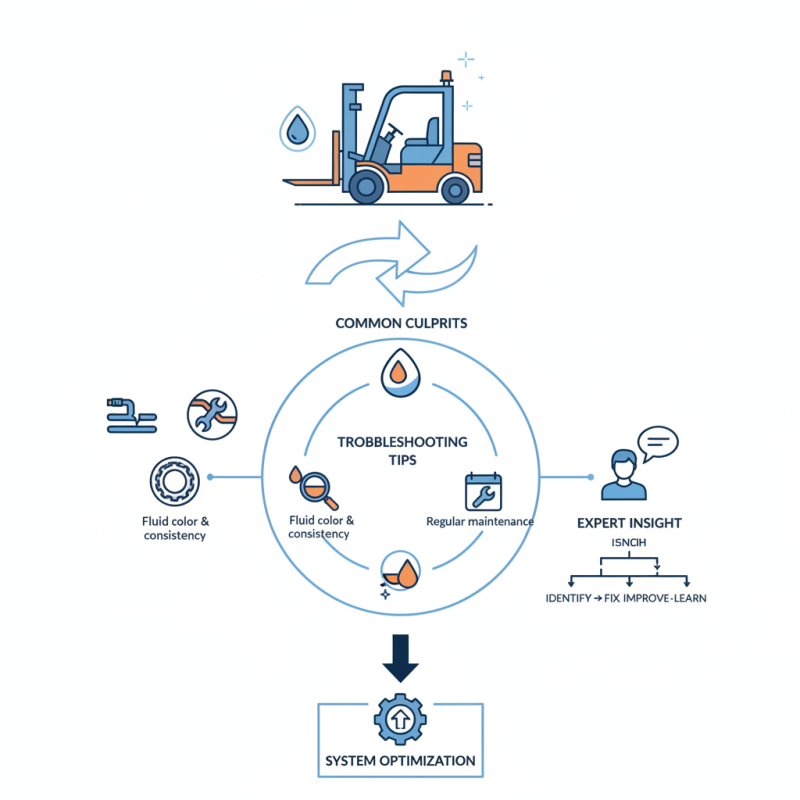
Hydraulic systems in forklifts operate under high pressure, making them vulnerable. A small leak can escalate into a significant problem, resulting in costly repairs. Common culprits of leaks include damaged hoses, worn seals, and loose fittings. Understanding these factors is vital for effective troubleshooting.
While it may seem daunting, a methodical approach can reveal the underlying issues. Observing the hydraulic fluid’s color and consistency can provide clues. Regular maintenance is crucial for early detection. If you discover a leak, consider it an opportunity for improvement, not merely a problem to fix. These reflections can guide better practices and learning in equipment management.
Hydraulic systems in forklifts play a critical role in lifting and moving heavy loads. These systems consist of essential components like hydraulic pumps, cylinders, and fluid reservoirs. According to industry data, nearly 70% of forklift failures are linked to hydraulic issues. Understanding how these components work is vital for proper maintenance and troubleshooting.
Hydraulic pumps generate pressure needed to lift loads. They are connected to hydraulic cylinders, which translate this pressure into mechanical force. Leaks often occur due to damaged seals or hoses, estimated to account for 50% of hydraulic failures. Identifying these leaks quickly can prevent costly repairs and safety hazards.
Regular inspection of hydraulic components is crucial. Look for visible signs of wear. Fluid levels should be checked frequently. Maintaining cleanliness in the hydraulic system can greatly enhance reliability. However, even well-maintained systems are not immune to aging and fatigue. Analyzing the condition of hoses and connectors is essential. In some cases, even small leaks can indicate more significant problems ahead.
: Common causes include worn seals, damaged hoses, and improper fluid levels. Regular inspection helps identify these issues early.
Hoses should be visually inspected regularly, looking for abrasions or bends that may indicate wear.
Improper fluid levels can increase pressure on seals, leading to leaks and breakdowns in system components.
Extreme heat can thin fluids, reducing pressure. In cold weather, fluids can thicken, increasing resistance and damage risk.
Moisture and dirt can degrade seals and fluids, accounting for nearly 20% of hydraulic failures. Regular checks are essential.
Even minor leaks can reduce hydraulic efficiency by as much as 15%, affecting performance and lifting capacity.
Regular training can help operators recognize early signs of hydraulic problems. Awareness is key for preventive maintenance.
About 30% of unexpected downtimes stem from hydraulic failures. Structured maintenance can minimize these risks.
Infrared thermography can identify overheating components. This tool helps in proactive maintenance and prevents failures.
Many assume systems will perform flawlessly. This assumption can lead to overlooking necessary routine maintenance and inspections.
Understanding why your forklift hydraulic system is leaking is crucial for maintaining optimal performance and safety in the workplace. The hydraulic system consists of key components such as pumps, cylinders, and hoses, all of which work together to facilitate smooth operations. However, common causes of hydraulic leaks can include worn seals, damaged hoses, and excessive pressure. Environmental factors, like temperature fluctuations and exposure to contaminants, can also significantly impact hydraulic performance.
To effectively troubleshoot these issues, it's important to systematically examine the system for signs of leaks and deterioration. Identifying the source of the leak will guide you in implementing fixing techniques. Additionally, incorporating preventive maintenance best practices can greatly enhance the longevity and efficiency of your forklift's hydraulic system, ultimately helping you to avoid the frustrating question, "Why is my forklift hydraulic system leaking?
