LM Forklift
Choosing the right mast height for your warehouse can significantly impact storage efficiency. It directly affects how high you can stack goods and access them safely. Understanding how to choose the right mast height for warehouse needs is crucial.
Each warehouse is unique. Factors like ceiling height, storage type, and equipment design all play roles. A taller mast might seem better, but it can lead to stability issues. You may think higher stacks mean more space. However, this choice often requires careful consideration of safety and accessibility.
Getting it wrong can lead to costly mishaps. An improperly chosen mast height can hinder operations, cause damage, or even pose dangers for employees. Analyze your specific storage requirements before making a decision. This choice is about balance and understanding your environment.
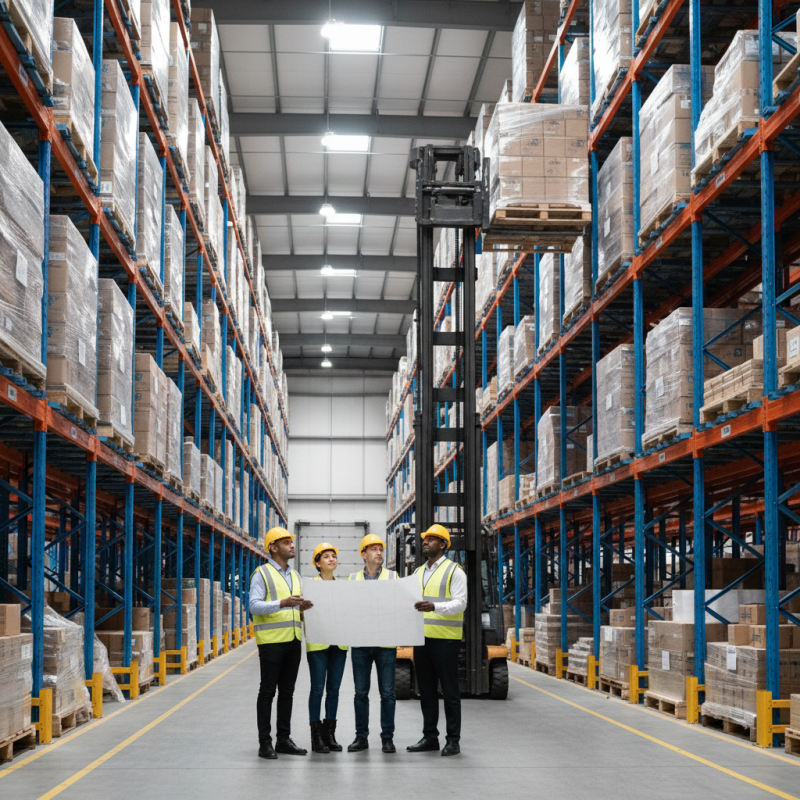
Choosing the right mast height for warehouse storage is crucial. The mast height determines how high your equipment can lift materials. This affects the overall storage capacity of your warehouse. A higher mast means more vertical space can be utilized. However, it's not always the best option.
Understanding mast height begins with your storage layout. A tall mast might seem beneficial. Yet, if the warehouse has low ceilings, it can cause problems. Forklifts may not operate effectively, leading to accidents or equipment damage. It's essential to consider the height of your warehouse before deciding.
Another factor is the type of goods being stored. Products with varying heights require careful planning. For example, tall items may need a higher reach but using them may increase the risk of tipping. Also, keep in mind the maneuverability of your equipment. A taller mast can affect visibility and navigation in tight aisles. Balancing height with practicality is key for excellent warehouse operations.
When choosing mast height for warehouse storage, several factors come into play. The ceiling height is crucial. Higher ceilings allow for taller masts. If the ceiling is too low, tall masts can lead to accidents or inefficiencies. It’s essential to measure the vertical space accurately.
Load capacity also plays a role. A taller mast can support heavier loads, but this isn’t always necessary. Consider your typical load size. Are most goods low-profile items? Then, a shorter mast may work better. Balance is key. Too much height can cause stability issues.
Lastly, assess your workflow. High reach may seem beneficial, but too much can complicate operations. A balance of height and accessibility is vital. Safety should never be compromised. Regularly evaluating your storage needs will help ensure the best mast height choice for your operations.
When considering mast height for warehouse storage, efficiency is key. The right height can significantly impact your storage capacity. A lower mast allows for better maneuverability in tight spaces, making it easier to navigate around aisles and pallets. However, a higher mast can store more goods vertically, optimizing floor space. It's essential to analyze your specific storage requirements before making a decision.
Different mast heights offer various advantages and challenges. For example, a 2-meter mast may support greater stability but can limit vertical storage. Conversely, a 5-meter mast can maximize vertical space usage but may lead to accessibility issues. Safety is also a critical factor. High masts may require additional training for operators to handle them safely. It's vital to balance the needs for space utilization with the operational limitations of your warehouse layout.
Data on storage efficiency indicates that an appropriate mast height can enhance throughput. However, overestimating the required height can lead to wasted time and effort during loading and unloading. Reflecting on both your current inventory and future growth is crucial. Recognizing that the best choice isn’t always the highest one shows foresight in warehouse management.
The mast height in a warehouse significantly influences operational efficiency and safety standards. A higher mast allows for increased vertical storage, maximizing space. According to industry research, choosing a mast height that suits your inventory type can improve storage density by up to 25%. However, this must be balanced with safety protocols. Workers need enough headroom to maneuver safely, and higher masts can increase the risk of load tipping if not managed carefully.
When selecting a mast height, consider the layout of your warehouse. Aisle width and rack height must complement the mast's reach. Improper configurations can lead to accidents. The Occupational Safety and Health Administration (OSHA) emphasizes the importance of proper visibility when operating equipment under high masts. Poor visibility increases the risk of collisions and injuries among staff.
Tips for choosing the right mast height include assessing the types of goods you store and their weights. Heavier items may require lower mast heights to reduce risks. Regular training sessions on safe operation guidelines help maintain safety standards. Also, consider implementing routine equipment checks to ensure that mast heights and conditions are maintained at optimal levels. Balancing efficiency and safety is essential to avoid costly mistakes in warehouse operations.
| Mast Height (ft) | Max Lifting Height (ft) | Typical Load Capacity (lbs) | Operational Safety Rating | Best Use Case |
|---|---|---|---|---|
| 10 | 8 | 3000 | A | Low to Medium Warehouse Heights |
| 15 | 12 | 4500 | A- | Medium Warehouse Applications |
| 20 | 16 | 6000 | B+ | High-Density Storage Systems |
| 25 | 20 | 7500 | B | Large Capacity Storage Solutions |
| 30 | 24 | 9000 | B- | Extreme Storage Heights |
Choosing the right mast height is essential for efficient warehouse operations. Properly evaluating and adjusting mast height can prevent accidents and enhance productivity. It's critical to ensure that the mast height matches the vertical space in your warehouse. Inspect the ceiling height and consider any obstructions that might affect movements.
When assessing mast height, look at the storage systems used. Are they designed for tall stacks? Understanding the types of pallets and goods stored can guide decisions. Take note of the forklifts being utilized. Different models have varying mast heights. Sometimes, employees overlook adjustments needed for seasonal changes in inventory. Regular evaluations can help avoid mishaps.
Testing new heights is vital. A trial period allows you to identify any issues. Watching worker movements can reveal unexpected challenges. Gathering feedback from staff is essential. They often have insights from day-to-day operations. Adjusting mast height is not just a technical decision; it involves understanding human factors and physical space dynamics. Balancing these aspects can lead to a more efficient warehouse environment.
: Mast height determines how high equipment can lift materials, impacting storage capacity.
Consider the warehouse's ceiling height and the type of goods being stored.
A high mast can cause accidents in low-ceiling warehouses and hinder effective forklift operation.
The mast height maximizes vertical storage and must match the aisle width and rack height.
Taller items require higher masts, but they can lead to tipping risks if not managed properly.
Implement routine equipment checks to ensure optimal mast heights and conditions.
Staff insights from daily operations can highlight unexpected challenges with height adjustments.
Regular training sessions on safe operation guidelines help prevent accidents.
Inspect for obstructions and assess storage systems used for compatibility with mast height.
Seasonal changes in inventory can cause employees to forget necessary mast height evaluations.
Choosing the right mast height for warehouse storage is crucial for optimizing space and enhancing operational efficiency. Understanding mast height and its significance can help warehouse managers make informed decisions. Key factors include the type of goods stored, available vertical space, and the specific needs of warehouse operations.
A comparative analysis of different mast heights reveals distinct impacts on storage efficiency and overall safety standards. It's essential to evaluate the implications of mast height on daily operations, including accessibility and maneuverability. Best practices suggest regularly reassessing and adjusting mast height in warehouses to ensure maximum efficiency and compliance with safety regulations. Ultimately, learning how to choose the right mast height for warehouse operations can lead to significant improvements in both productivity and safety.
