Charging a forklift without a designated charging station can be a challenge for many in the logistics industry. According to a report by the Material Handling Industry of America, nearly 60% of businesses experience significant downtime due to charging issues. Finding ways to charge effectively is crucial for maintaining productivity.
Industry expert Johnathan Reyes once stated, "Innovative solutions to battery charging can drastically reduce operational delays." This underscores the need for alternative methods to charge a forklift without a charging station. Techniques such as using portable chargers, using a generator, or strategic battery swapping can be employed. However, these methods may not always offer a quick fix or be widely applicable.
Exploring how to charge a forklift without a charging station requires not just creativity, but also careful planning. Every option comes with specific advantages and limitations that must be considered. As noted in industry discussions, a lack of proper infrastructure can lead to unforeseen complications, prompting a need for ongoing evaluation and adaptation.
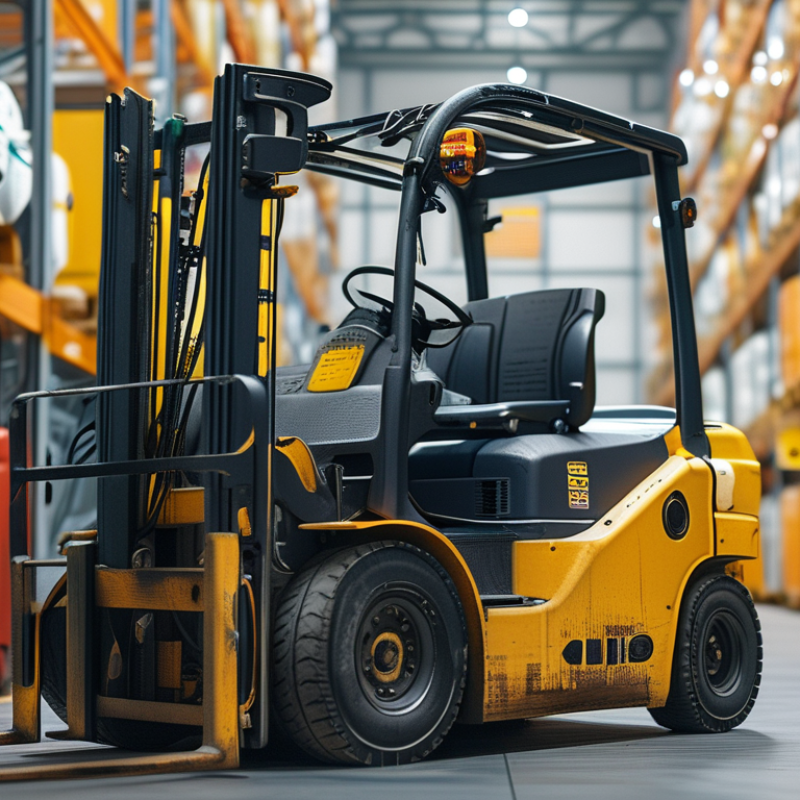
Understanding Forklift Battery Types and Their Charging Needs
When considering forklift battery types, it's essential to understand their
charging needs. Forklifts typically use
lead-acid or lithium-ion batteries. Lead-acid batteries are commonly found due to their
affordability and robustness. However, they require longer charging times and maintenance, such as topping off with distilled water.
Lithium-ion batteries are more efficient, with faster charging and less maintenance. They are ideal for applications needing
quick turnaround times.
Tips for Charging: Always check the battery's state before charging. If it shows signs of damage, address it first.
For lead-acid batteries, ensure the charger is compatible. Avoid overcharging, as this can reduce lifespan.
While charging, be mindful of the environment. Maintain good ventilation. Avoid charging in extreme temperatures, as this affects
battery performance. Keeping the battery clean can also improve charging efficiency. Regularly inspect battery connections for
corrosion or wear. This can prevent unexpected downtime during operations.
Identifying Alternative Charging Methods for Forklifts
Alternative charging methods for forklifts can be vital in maintaining operations without a traditional charging station. Many warehouses face downtime due to limited charging infrastructure. According to a report by the Industrial Truck Association, nearly 40% of forklift operators experience delays due to inadequate charging facilities. This statistic highlights the necessity for innovative solutions.
One promising alternative is the use of mobile charging units. These portable chargers can provide energy on-demand, allowing forklifts to recharge during breaks or downtime. Research from the National Renewable Energy Laboratory shows that implementing mobile charging can decrease downtime by up to 25%. This method is especially useful in large warehouses where access to fixed charging stations is limited.
Another option is utilizing a battery swapping system. With this approach, operators can quickly replace a depleted battery with a fully charged one. Studies indicate that battery swapping can reduce charging time to mere minutes, enhancing productivity. However, this system requires a significant upfront investment in spare batteries and proper training for personnel. Thus, while the benefits are clear, the transition may not always be seamless. Balancing these innovative methods with operational realities remains a challenge in the continually evolving forklift industry.
How to Charge a Forklift Without a Charging Station Fast? - Identifying Alternative Charging Methods for Forklifts
| Charging Method |
Description |
Charging Time |
Advantages |
Disadvantages |
| Portable Charger |
A compact, lightweight charger that can be plugged into any standard outlet. |
4-6 hours |
Easy to transport and use; does not require special installation. |
Slower charging speeds; limited to certain voltage capacities. |
| Swap Batteries |
Replace depleted battery with a fully charged one for immediate use. |
Less than 30 minutes |
Minimal downtime; no need for charging equipment. |
Requires spare batteries; can be costly. |
| Solar Charging Panels |
Utilizes solar energy to charge electric forklifts over time. |
Variable (depends on sunlight) |
Eco-friendly; reduces electricity costs. |
Weather dependent; initial installation costs can be high. |
| Rapid Charge Technology |
Advanced chargers capable of charging batteries at a higher rate. |
1-2 hours |
Reduces downtime significantly; efficient use of electric forklifts. |
Higher energy consumption; may reduce battery lifespan. |
Essential Tools and Equipment for Rapid Forklift Charging
Charging a forklift quickly without a dedicated charging station can be challenging. However, using the right tools and equipment makes this task more manageable. Start with a reliable portable charger that matches your forklift's battery type. These chargers are designed for efficiency and can significantly reduce the charging time. They should be compact and lightweight for ease of handling.
Ensure you have the necessary safety gear, including gloves and goggles. When working with batteries, safety is crucial. Inspect cables and connectors for any wear or damage before connecting. A multi-function voltmeter can help check the battery's status. Regular maintenance of your charging equipment is essential to prevent unexpected failures during operation.
Consider having extra battery packs on hand. This option allows for swapping and immediate use of the forklift. However, keep in mind that not all batteries charge at the same rate. This variability can lead to frustrating delays. Sometimes, the available space and environmental conditions affect the efficiency of the charging process. It’s important to address these factors for a smoother operation.
Charging Time Comparison for Forklifts with Various Charging Methods
This chart illustrates the charging time for different forklift charging methods. As shown, standard chargers take the longest time, while battery swapping is the quickest option.
Step-by-Step Guide to Charging a Forklift Without a Station
Charging a forklift without a charging station can feel daunting. However, with the right methods, it is possible to recharge efficiently. A practical approach is to utilize a portable generator. Ensure the generator has sufficient output to match the forklift's battery requirements. This equipment allows for flexibility, especially in remote areas where traditional charging stations are absent.
Next, consider using an industrial battery charger that is compatible with your forklift. These chargers can often be connected to standard outlets. Before connecting, inspect the battery terminals for corrosion. This small step can prevent potential issues during charging. While this method may take longer than a dedicated station, it can still ensure your forklift is operational without major delays.
Remember to monitor the charging progress. Overcharging can damage the battery, leading to unnecessary replacements. A well-lit workspace and proper safety gear are essential during this process. Finally, document any challenges faced while charging without a station. Reflecting on your experiences will help improve future attempts. Charging a forklift in unconventional ways can be rewarding but requires careful consideration.
Safety Precautions to Consider When Charging Forklifts on the Go
Charging a forklift on the go requires careful attention to safety. Working with electrical components can be risky. Adhering to safety protocols is crucial for preventing accidents.
Start by ensuring the charging area is ventilated. Proper airflow reduces the risk of gas buildup during charging. This is important for lead-acid batteries, which can emit hydrogen gas. According to the Occupational Safety and Health Administration (OSHA), maintaining good ventilation can lower the risk of explosions in confined spaces.
Use personal protective equipment (PPE) when handling batteries. Gloves and goggles can protect against acid splashes. Moreover, keep fire extinguishers nearby when charging. If a fire does occur, having one on hand can save lives and property.
Tip: Always inspect the battery for cracks or leaks. Charging a damaged battery can lead to dangerous situations. Regular maintenance checks can prevent potential hazards.
Additionally, be aware of the surroundings. Ensure no flammable materials are present nearby. The National Fire Protection Association (NFPA) suggests maintaining an area free from combustibles when working with batteries.
When charging, use an appropriate charger for the battery type. Insecure connections can lead to sparks and overheating. Careful setup reduces risks.
Tip: Consider creating a checklist for charging procedures. This can help prevent oversights, ensuring each step is followed systematically. Monitoring battery temperature during charging can also prevent overheating incidents.
Conclusion
Charging a forklift without a charging station can be a practical solution in situations where traditional charging facilities are unavailable. To understand how to charge a forklift without a charging station, it's crucial to first familiarize oneself with different battery types and their specific charging needs. Identifying alternative charging methods, such as using portable chargers or jump-starting techniques, can provide effective solutions in urgent scenarios.
Equipping oneself with essential tools and equipment can significantly expedite the charging process. A step-by-step guide is vital for safely navigating the charging procedure, ensuring that all necessary precautions are taken to avoid any hazards during the operation. By keeping safety at the forefront, operators can confidently charge their forklifts on-the-go, maintaining productivity without waiting for a dedicated charging station.
 LM Forklift
