LM Forklift
Charging electric forklift batteries correctly is crucial for maximizing efficiency and extending their lifespan. Many operators overlook proper techniques, leading to premature battery failure. Understanding how to charge electric forklift battery correctly can prevent costly downtime and improve performance.
Safety is paramount when charging batteries. Ensure the forklift is parked on a level surface and turned off. Always wear safety gear, as batteries can emit hazardous gases. Familiarize yourself with the manufacturer’s guidelines for charging specifics. Another key point is to avoid overcharging, which can cause overheating and damage.
Regularly inspecting battery terminals and cables is essential for maintaining a healthy power source. Corrosion can hinder charging effectiveness. Take note of unusual signs, such as reduced lifting power. Awareness of these issues can help you rethink and refine your charging practices, ensuring a reliable and efficient operation in your workplace.
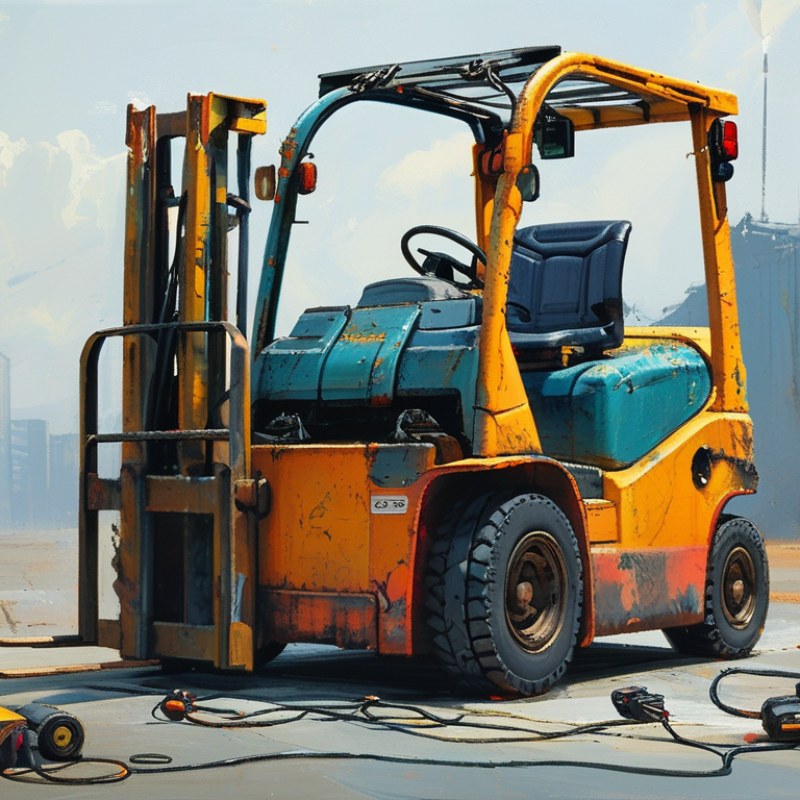
Understanding electric forklift battery types and specifications is crucial for efficient performance. Common battery types include lead-acid, lithium-ion, and nickel-cadmium. Each type has distinct characteristics. Lead-acid batteries are cost-effective but require more maintenance. Lithium-ion batteries offer faster charging times and longer life, making them popular for heavy use. Nickel-cadmium batteries perform well in extreme temperatures but are less common due to higher costs.
Tips: To extend battery lifespan, avoid deep discharges. Charging after each use is recommended, especially for lead-acid batteries. Monitor the charging cycle to prevent overheating. Overcharging can damage the battery, so pay attention to the manufacturer's guidelines.
Understanding battery specifications is equally important. Assess the voltage and capacity according to your forklift’s needs. The charging equipment must match the battery type for optimal performance. Remember, not all batteries are interchangeable. Always consult documentation for compatibility. Maintaining proper maintenance schedules can greatly reduce unexpected downtime and expenses.
Charging electric forklift batteries requires attention to safety. Before beginning the process, it’s crucial to ensure the environment is safe. Remove any flammable materials nearby. Ensure that the charging area is well-ventilated. Proper ventilation helps dissipate potentially harmful gases emitted from the batteries.
Make sure the forklift is turned off before plugging in the charger. Inspect the battery and charger for any visible damage. Using damaged equipment can lead to serious accidents. Always wear protective gear, including gloves and goggles, when handling batteries. Safety procedures are not just recommendations; they are essential for preventing injuries.
Tips: Regularly check battery fluid levels and top off with distilled water. This maintains battery health and efficiency. Avoid overcharging to extend battery life, as it can cause heat buildup. Always read the manufacturer’s manual for specific guidelines. Being proactive is better than dealing with possible hazards later. Proper attention to detail assures both the safety of personnel and equipment.
Charging electric forklift batteries requires careful attention. Proper charging maximizes battery life and ensures optimal performance. Begin by checking the battery’s charge level. A voltmeter can help you assess its state. Charging should occur when batteries reach 20% capacity or lower. This prevents deep discharges that can damage the battery.
Next, find a clean and ventilated area for charging. Avoid extreme temperatures. Ideally, the ambient temperature should be between 50°F and 85°F. Keep the charger and the battery connectors clean. Dust and dirt can interfere with the charging process. Ensure the charger fits the battery specifications. Incorrect chargers can lead to accidents or reduced efficiency.
Monitor the charging process regularly. Overcharging or undercharging can negatively affect the battery's health. It’s essential to follow recommended charging times. When a battery is fully charged, disconnect it properly to avoid shocks. Remember, charging routines may vary based on usage patterns. Reflect on your habits to find the best schedule.
Regular inspections can reveal patterns or issues requiring attention. This proactive approach can enhance battery longevity.
Charging electric forklift batteries may seem straightforward, but several common mistakes can lead to inefficiencies and reduced lifespan. Many operators overlook the importance of proper charging times. According to industry data, charging a battery too quickly can cause overheating, which severely shortens its lifespan. Aim for a slower charge rate to ensure optimal temperature control.
Another significant error is not fully discharging the battery before recharging. A report from the Electric Power Research Institute notes that regularly topping off a battery reduces its capacity over time. It's crucial to let the battery reach a 20% charge before plugging it in. This practice enhances the battery’s overall health and efficiency.
Operators often neglect maintenance tasks, such as checking connections and cleaning terminals. Dirty terminals can lead to inefficient charging and poor performance. Ensuring that these connections are clean can enhance energy transfer and extend battery life. Operators should also monitor electrolyte levels in flooded lead-acid batteries, as low levels can lead to irreversible damage. Being vigilant about these details can significantly improve operational efficiency.
Maintaining electric forklift batteries is crucial for optimal performance. Regular checks can extend battery life. Look for any corrosion on terminals, which can impact connections. Cleaning these areas helps ensure efficient power transfer. Use a mixture of baking soda and water to gently scrub the terminals. Avoid using excessive force; gentle care goes a long way.
Consider the charging process as well. Overcharging can be harmful. It’s essential to monitor charging times closely. If a battery gets too hot, it may indicate an issue. Allow it to cool down before using. Record charging cycles to identify patterns. This practice helps in predicting battery performance.
Lastly, don’t ignore regular maintenance. Ensure electrolyte levels are adequate if your forklift uses flooded batteries. Top up with distilled water when necessary. Keeping batteries clean and well-maintained can lead to significant cost savings in replacements and repairs. Take a step back to evaluate your charging routine often; don’t let complacency set in.
: Common types include lead-acid, lithium-ion, and nickel-cadmium. Each has unique features and uses.
Avoid deep discharges. Charge after each use to improve longevity. Always monitor charging cycles closely.
Ensure the area is free of flammables. Ventilation is key. Always wear protective gear like gloves and goggles.
Check for corrosion regularly. Clean with a baking soda and water mixture. Use gentle pressure when scrubbing.
Mismatched equipment can lead to poor performance. Always ensure compatibility for efficient charging and operation.
Let the battery cool down before use. Monitor closely to prevent further issues and check for underlying problems.
Regular checks are essential. Top off with distilled water as needed to maintain optimal battery health.
Overcharging can cause heat buildup and damage. Avoid it to protect both the battery and equipment.
No, that can lead to performance issues. Always refer to documentation for compatibility before making changes.
Develop a routine for inspections and charging. Avoid complacency and evaluate practices regularly for improvements.
In the article titled "How to Charge Electric Forklift Battery the Right Way?", essential insights are provided for effectively charging electric forklift batteries. It begins with an overview of various battery types and specifications to help users understand their equipment better. Safety is emphasized, detailing necessary precautions to take before beginning the charging process, which ensures the safety of both personnel and equipment.
The article further offers a step-by-step guide on how to charge electric forklift battery correctly, highlighting best practices throughout the process. Additionally, it outlines common mistakes to avoid, helping users maintain optimal battery performance. Finally, tips for long-term maintenance of electric forklift batteries are presented, reinforcing the importance of proper care to enhance battery lifespan and efficiency. Overall, this comprehensive approach equips users with the knowledge needed for effective battery management.