 LM Forklift
LM Forklift
LM Forklift
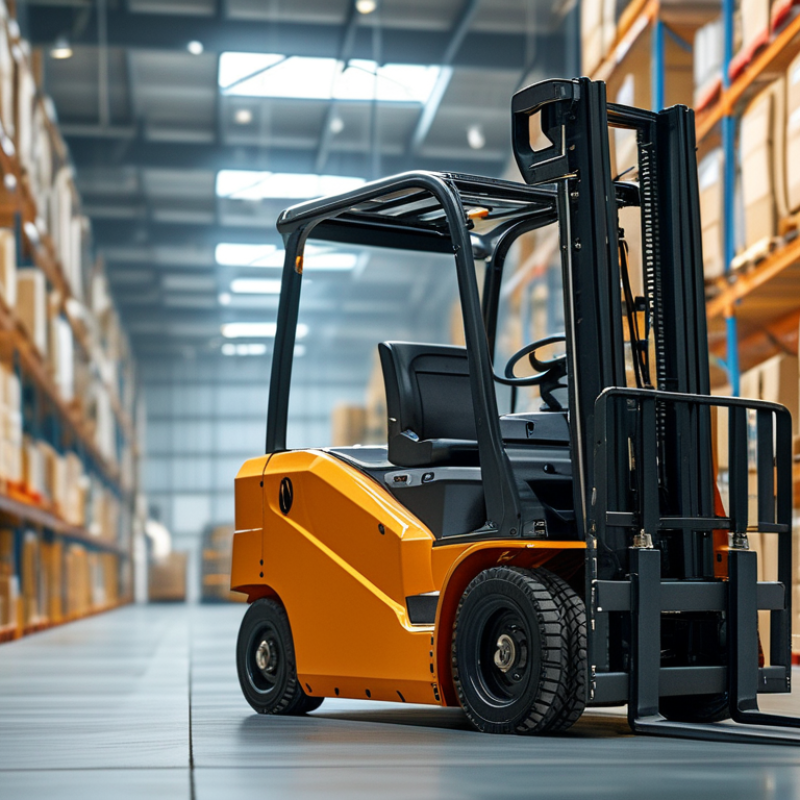
In today's world, environmental sustainability is crucial for all industries. Businesses must consider how to eco-proof their warehouses with electric machinery. Electric machinery can significantly reduce carbon footprints and enhance operational efficiency.
Adopting electric solutions brings many benefits. For instance, electric forklifts and conveyor systems lower emissions compared to traditional models. They often require less maintenance, which translates to lower costs over time. However, transitioning to electric machinery is not without challenges. Companies may face initial investment hurdles and staff training needs.
Rethinking warehouse design is essential when shifting to electric machinery. This adaptation can improve logistics and workflow. Effective planning is key, yet many companies overlook it. Balancing modern needs with sustainability requires ongoing reflection. As we explore these aspects, it's essential to understand the delicate balance between innovation and practicality in eco-proofing your warehouse.
Assessing energy usage in warehouses is crucial for eco-proofing your operations. Start by conducting a comprehensive energy audit. This involves measuring electricity consumption across different machinery and areas. Use tools like energy monitoring software to track patterns over time. Identifying high-consumption equipment helps prioritize upgrades or replacements. Often, warehouses overlook lighting. Upgrading to energy-efficient LED lights can lead to significant savings.
Consider engaging staff in energy-saving practices. Encouraging simple actions, like turning off unused machines, can impact overall energy consumption. Involving employees fosters a culture of sustainability within your warehouse. Regular training sessions on energy efficiency are beneficial, yet they're often neglected.
Investing in smart technology can enhance energy management. Automated systems adjust usage based on occupancy or time of day, optimizing your energy strategy. However, implementing these technologies requires an initial investment and ongoing evaluation. Addressing the maintenance of equipment is essential too. Even efficient machinery can become energy hogs if not maintained properly. Regular checks can prevent hidden issues that lead to excess energy use.
| Method | Description | Estimated Energy Savings (%) | Implementation Cost ($) |
|---|---|---|---|
| LED Lighting | Replace traditional lighting with energy-efficient LED lights. | 40 | 5,000 |
| Electric Forklifts | Use electric-powered forklifts instead of diesel or gas models. | 50 | 30,000 |
| Smart HVAC Systems | Install systems that adjust energy use based on occupancy. | 25 | 15,000 |
| Renewable Energy Sources | Integrate solar panels or wind turbines to power operations. | 70 | 100,000 |
| Energy Monitoring Systems | Implement systems to track and analyze energy consumption. | 10 | 3,000 |
: It helps to identify inefficiencies and reduce operational costs, promoting sustainability.
Measure electricity consumption of machinery and areas, track patterns, and identify high-consumption equipment.
Upgrading to energy-efficient LED lights can significantly reduce costs and energy usage.
Encouraging staff to turn off unused machines fosters a sustainability culture and lowers energy consumption.
Automated systems adjust energy usage based on occupancy or time, optimizing energy strategies.
Transitioning requires careful planning, possible retrofitting, and training on new technology.
Employees need to understand both the technology and maintenance practices for effective usage.
They provide real-time data on energy consumption, revealing spikes and inefficiencies.
Minor details in equipment usage often contribute more to emissions than initially thought.
Their insights can identify areas for improvement and reveal hidden inefficiencies in practices.
In the quest for sustainability, understanding how to eco-proof your warehouse with electric machinery is crucial. First, assessing energy usage in warehouse operations lays the foundation for identifying inefficiencies and opportunities for improvement. Electric machinery offers significant advantages over traditional diesel equipment, including reduced emissions and lower operating costs. Transitioning to renewable energy sources for powering warehouse operations not only enhances eco-friendliness but also contributes to long-term savings.
Moreover, retrofitting existing equipment with eco-friendly technologies can optimize performance and minimize environmental impact. Monitoring and measuring the carbon footprint within warehouse settings enables businesses to track progress and make informed decisions. By implementing these best practices, warehouses can effectively reduce their environmental footprint while improving operational efficiency and promoting sustainability in the logistics sector.
