LM Forklift
In the ever-evolving world of material handling, choosing the right equipment is crucial. Swing Mast Forklifts have gained popularity due to their unique design and functionality. These forklifts are known for their maneuverability in tight spaces, making them ideal for warehouses and construction sites. As global buyers seek effective solutions, understanding the best options becomes essential.
The 2026 Best Swing Mast Forklifts guide aims to provide buyers with reliable insights. With so many choices available, selecting the right model can be overwhelming. This guide highlights key features, performance metrics, and user experiences. Each forklift's strengths and weaknesses are carefully examined, allowing buyers to make informed decisions.
While Swing Mast Forklifts offer numerous advantages, challenges exist. Users may find maintenance needs vary widely. Ensuring proper training and understanding these machines is vital for safety and efficiency. Buyers must reflect on these factors to optimize their investment in handling solutions.
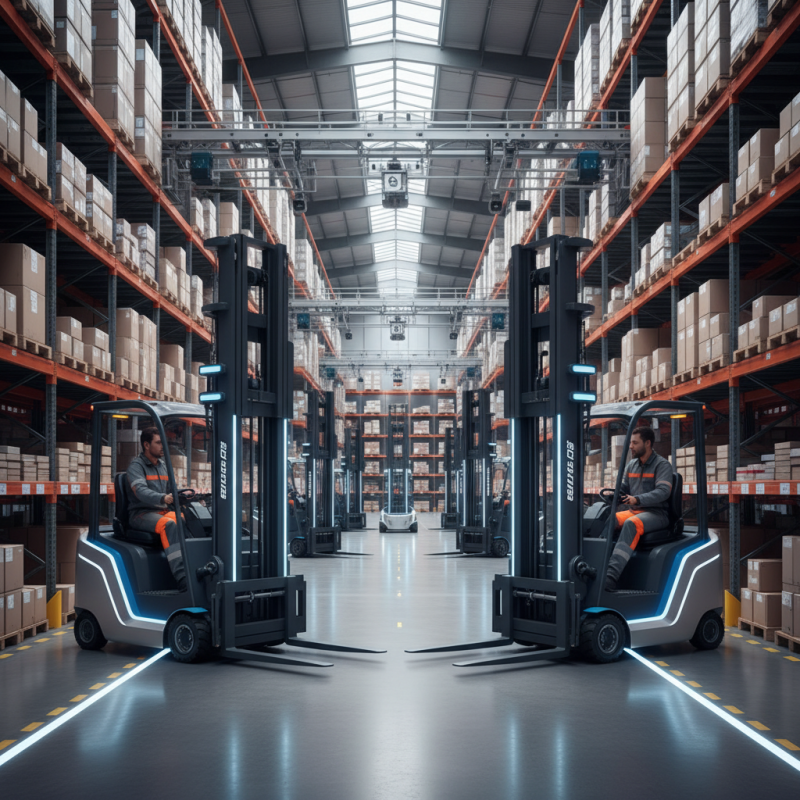
The global demand for swing mast forklifts is steadily increasing.
These specialized forklifts excel in tight spaces, making them popular in various industries. As companies focus on
efficiency, the swing mast design allows for improved maneuverability. This flexibility is crucial in warehousing
and construction sites.
Market analysis indicates that regions with significant construction activities show the highest demand.
Emerging markets in Asia are particularly noteworthy. The need for optimized material handling solutions drives
this growth. However, factors such as maintenance costs and
operator training can pose challenges.
Businesses must invest time in operator education to leverage these machines fully.
The future holds promise for swing mast forklifts. As industries evolve, embracing new technology is vital.
Innovations in safety features and energy efficiency
are expected. These advancements can enhance operator confidence and sustainability goals.
Understanding market trends is essential, but the path may not be straightforward. Keeping an eye on competition
and changing user needs is crucial for success.
When considering swing mast forklifts, it’s essential to focus on their key features and specifications. Modern swing mast forklifts greatly enhance maneuverability in tight spaces. Their design allows for a unique lateral motion, enabling precise movements. This capability is advantageous in warehouses where space is at a premium.
Tip: Always assess your specific needs. Not every model suits all environments. A forklift optimized for narrow aisles may not excel in outdoor conditions.
Another critical aspect is the lifting capacity and height. Many models offer impressive lifting heights, reaching several meters. This versatility ensures that users can handle various loads effectively. However, operators must be trained to manage weight limits and maximize safety.
Tip: Regular maintenance is crucial. A well-maintained forklift is more reliable and safer. Neglect can lead to performance issues and accidents. This could reflect on your operation's efficiency. Prioritize a maintenance schedule to avoid potential problems.
When evaluating swing mast forklifts, buyers face a variety of options. The swing mast design allows for superior maneuverability in tight spaces. This feature is crucial for warehouse operations where space is limited. A clear understanding of performance metrics, like lift height and load capacity, is essential for making informed choices.
Top brands in the industry often showcase innovative technology. However, not all advancements lead to improved functionality. Reliability varies between manufacturers and models. Some users report mechanical issues that require frequent service. Reading reviews from other operators can provide insights into these potential pitfalls.
Maintenance practices significantly impact the lifespan of these forklifts. Users must be diligent about regular checks and servicing. Neglecting maintenance can result in costly repairs. Furthermore, training staff on proper operation is often overlooked but critical for safe use. Ensuring that operators understand the forklift's dynamics can prevent accidents and equipment damage.
As swing mast forklifts gain popularity, understanding their safety standards is essential. In 2026, several certifications will be crucial for users around the globe. These certifications ensure operators and workplaces remain safe, minimizing the risk of accidents.
One key standard to note is ANSI/ITSDF B56.1. It provides guidelines for the safe operation of industrial trucks. This standard emphasizes the importance of training and operational safety for all users.
Another certification to consider is ISO 9001, which relates to quality management systems. Forklifts that meet these standards often reflect superior manufacturing processes.
Despite the rigorous certifications, challenges remain. Some users may overlook the importance of regular safety inspections. This can lead to potential hazards that are easily preventable. Operators should actively engage in training programs to stay updated on safety practices. Regular maintenance is equally important to ensure compliance and protect workers. Balancing certification with practical application is vital in maximizing safety.
The swing mast forklift industry is poised for significant evolution in the coming years. According to recent data from the Industrial Truck Association, the market for these specialized forklifts is projected to grow by 8.5% annually through 2026. This growth is fueled by demands for efficiency and adaptability in warehouse operations. As urbanization increases, facilities require nimble machinery that can navigate tight spaces while offering robust lifting capabilities.
Innovations are integrating advanced technologies, such as automated guided systems. These advancements enhance productivity and reduce manual labor risk. Reports from Market Research Future highlight that over 40% of new swing mast forklifts will incorporate smart technology by 2025. Safety features are also improving. Sensors and automatic shut-off mechanisms are becoming standard, yet their implementation is not without challenges. Manufacturers face hurdles in fitting these technologies into compact designs without compromising performance.
Sustainability remains a critical concern. The shift towards electric swing mast forklifts is gaining momentum, with projections indicating that electric models will constitute nearly 30% of sales by 2026. However, trade-offs persist; the battery life and recharging infrastructure remain areas needing further development. These evolving trends reflect a commitment to resilience and adaptability in an ever-changing logistics landscape.
: Swing mast forklifts are known for superior maneuverability in tight spaces, essential for warehouse operations.
Buyers should assess performance metrics like lift height and load capacity to make informed choices.
Regular maintenance extends forklift lifespan, while neglect can lead to costly repairs and operational issues.
Users should note ANSI/ITSDF B56.1 and ISO 9001 for safe operation and quality management in forklifts.
Proper training ensures operators understand forklift dynamics, reducing the risk of accidents and equipment damage.
Trends include increased automation, safety features, and a shift towards electric models for sustainability.
Fitting advanced technologies into compact designs without sacrificing performance poses significant challenges.
The demand for electric models is rising, but battery life and recharging infrastructure need further improvement.
Overlooking regular safety inspections can lead to preventable hazards, highlighting the need for diligence.
Advanced technologies enhance productivity but require thoughtful integration to maintain usability in tight spaces.
The "2026 Best Swing Mast Forklifts for Global Buyers Guide" provides a comprehensive overview of the current market dynamics and future outlook for swing mast forklifts. As global demand for this specialized equipment continues to rise, understanding key features and specifications becomes essential for buyers. The guide highlights the importance of safety standards and certifications, ensuring that operators are aware of compliance requirements in 2026.
Additionally, the article explores the top brands in the swing mast forklift industry, offering a comparative analysis of their strengths and capabilities. With a focus on future trends and innovations, it anticipates advancements in technology that could enhance the efficiency and functionality of swing mast forklifts, making them increasingly vital in material handling operations. This guide serves as an invaluable resource for buyers looking to make informed decisions in an evolving marketplace.