In 2026, the best way to train electric order picker staff is practical, supervised, and specific to the workplace. Safe operation begins before anyone touches the controls. Trainers should explain stability, battery charging, emergency lowering, platform limits, pedestrian traffic, and falling-object risks.
How to train employees on electric order pickers depends on the equipment, rack layout, and daily tasks. A new operator needs more than a short video. They should inspect the machine, identify damaged forks, test the horn, and practice smooth travel at floor level. Then, they can progress to controlled lifting exercises with an experienced instructor nearby. Small details matter. A loose pallet can change everything.
Safety scientist Sidney Dekker offers a useful principle: “Safety is not the absence of accidents; safety is the presence of capacity.” This idea supports training that builds judgment, not simple rule memorization. Workers should learn when to stop, report hazards, and ask for help. Employers should use manufacturer instructions, site-specific risk assessments, documented evaluations, and refresher coaching after unsafe behavior or equipment changes.
The process is not perfect. Real workplaces are busy, and shortcuts can appear during peak orders. That weakness deserves attention, not blame. Supervisors can observe operators during normal shifts, record practical performance, and correct habits immediately. Effective programs also invite employee feedback. The person using the order picker may notice blind corners, damaged flooring, or confusing traffic routes before management does. Training becomes stronger when experience and evidence shape every revision.
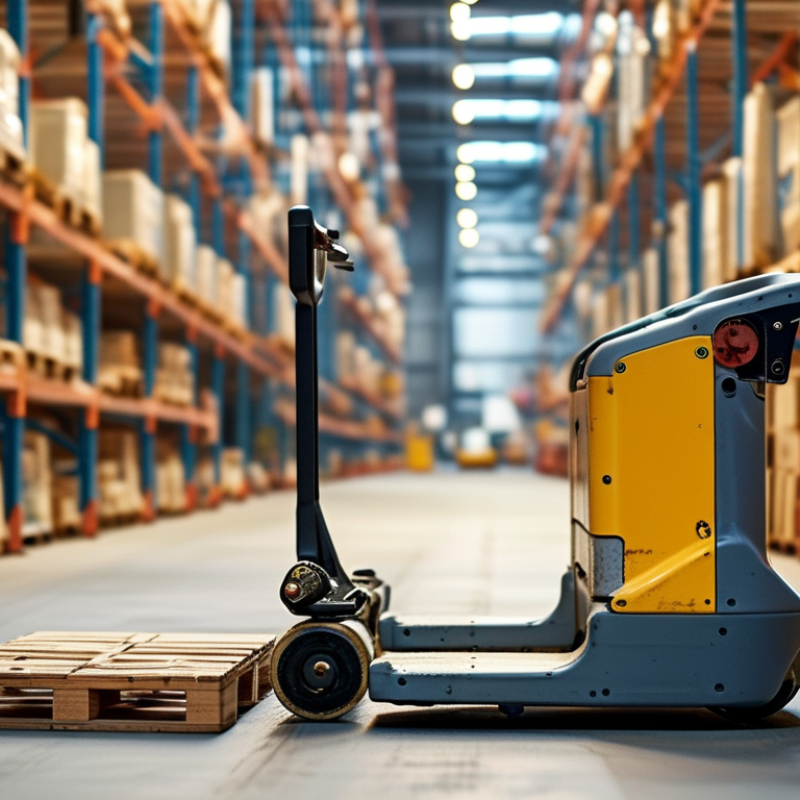
Define Electric Order Picker Roles, Risks, and Training Goals
2026 Best Way to Train Electric Order Picker Staff?
Define Electric Order Picker Roles, Risks, and Training Goals
An electric order picker operator does more than move stock. The role includes scanning locations, positioning the platform, controlling travel speed, and protecting pedestrians. OSHA estimates that powered industrial trucks cause about 85 workplace fatalities and 34,900 serious injuries annually. These figures make role definition a practical safety control, not paperwork. Training should cover falling objects, unstable loads, blind corners, battery charging, and elevated-platform movement. Operators must understand the machine’s limits before handling a single carton.
Make the risks visible.
Use a marked training aisle with empty pallets, realistic rack heights, and controlled pedestrian crossings. Ask trainees to identify hazards aloud. This reveals knowledge gaps that written tests can miss. OSHA’s 29 CFR 1910.178 requires formal instruction, practical training, and workplace evaluation for powered industrial truck operators. Supervisors should document each employee’s equipment type, work area, observed skills, and retraining triggers. The goal is not speed alone. It is accurate picking without dropped products, struck pedestrians, or rushed decisions. In practice, some training programs still reward output too early. That deserves honest review.
Tips: Begin with a short risk briefing. Demonstrate three-point contact. Require slow travel near intersections. Reassess after an incident, near miss, equipment change, or unsafe behavior. NIOSH recommends using engineering controls, traffic separation, and worker involvement to reduce material-handling hazards. Let operators report poor visibility, damaged floors, and confusing rack labels. Their feedback may expose failures that managers cannot see.
Verify Legal Requirements and Select Qualified Trainees
Before training electric order picker staff, verify the rules that apply in your location. Requirements may cover operator age, medical fitness, supervision, equipment inspection, and written authorization. Consult workplace regulators, current safety standards, and your internal risk assessment. Do not rely on an old training file.
Select trainees who can understand instructions, communicate clearly, and follow pedestrian controls. Practical experience with warehouse equipment helps, but it is not enough. A trainee should recognize load limits, uneven floors, blind corners, and overhead hazards. Ask candidates to explain what they would do during a battery fault or unexpected obstruction. Their answers reveal judgment, not just confidence.
Tips: Use a short screening checklist. Confirm identity and language needs. Observe basic balance and control skills. Record every assessment result. Give extra coaching when needed. A quiet trainee may understand more than a confident one. Our process may still miss small warning signs, so review incidents and retrain without blame. Keep refresher training available after equipment changes, near misses, or long absences.
Use Hands-On Practice, Supervisor Coaching, and Performance Checks
2026 Best Way to Train Electric Order Picker Staff?
Use Hands-On Practice, Supervisor Coaching, and Performance Checks
In 2026, effective electric order picker training should feel practical, visible, and measurable. Classroom explanations matter, but they cannot replace controlled practice on the actual work floor. New staff should identify controls, inspect forks, test brakes, and confirm battery status before moving. Stay alert. Practice should include slow turns, clear sightlines, platform positioning, and safe stopping distances.
A supervisor should demonstrate each task, then watch the trainee repeat it from several angles. That detail matters. Coaching should be specific rather than encouraging alone. Instead of saying “be careful,” a supervisor can note late braking, rushed steering, or poor pedestrian scanning. Short feedback immediately after each run is easier to remember than a lecture at the end. Supervisors need training too.
Performance checks provide evidence that training worked. Use a simple skills sheet covering inspection, travel speed, load handling, stopping, parking, and communication. Repeat checks after incidents, long absences, equipment changes, or noticeable skill decline. Our first checklist was too long, and workers began treating it like paperwork. That was a design mistake. We shortened it, but perhaps removed one useful question. A score alone can also mislead; a confident operator may still miss hazards when production pressure rises. Pair observed performance with supervisor notes and direct worker questions. Records should show who coached, what was practiced, and which skill needs another attempt.
2026 Best Way to Train Electric Order Picker Staff
Use hands-on practice, supervisor coaching, and documented performance checks
OSHA’s powered industrial truck rule identifies three core qualification elements: formal instruction, practical training, and workplace performance evaluation. Build the program around hands-on practice, use supervisors to coach safe operating behaviors, and document each performance check. Operator performance must be evaluated at least once every three years, with refresher training required when specified conditions occur.
Source: OSHA 29 CFR 1910.178(l). Each bar represents one required core training element.
Refresh Training Through Assessments, Records, and Continuous Improvement
2026 Best Way to Train Electric Order Picker Staff?
Effective electric order picker training should continue after the first practical test. Staff need short assessments during real work, including aisle positioning, load stability, pedestrian awareness, and emergency stopping. A supervisor can observe an operator lifting a carton, turning near a rack, and parking correctly. Small mistakes often reveal larger training gaps.
Keep clear records for every operator. Record training dates, assessment results, equipment type, refresher sessions, and corrective coaching. These records support consistent decisions and help identify repeated problems. They also create accountability when supervisors change. However, paperwork alone is not proof of competence. A signed form cannot replace direct observation.
Tips: Use five-minute checks before busy shifts. Ask operators to explain one safety decision. Review near misses without blame, then update the lesson plan. Repeat assessments after an incident, process change, or extended absence.
Continuous improvement requires honest review. Some training content may be too theoretical. Some operators may pass written tests but struggle with visibility in narrow aisles. That weakness should be acknowledged, not hidden. Compare assessment results each month, discuss patterns with experienced staff, and adjust demonstrations accordingly. A simple dashboard can track recurring errors, completed refreshers, and overdue evaluations. Keep the process practical. Train for the floor, not just the classroom.
2026 Best Way to Train Electric Order Picker Staff? - Refresh Training Through Assessments, Records, and Continuous Improvement
| Training Cycle |
Staff Assessed |
Assessment Results |
Training Records |
Safety and Performance |
Continuous Improvement Action |
| Theory Pass Rate |
Practical Pass Rate |
Average Score |
Records Complete |
Refresher Completion |
Near-Miss Reports |
Picking Accuracy |
| January 2026 |
24 |
88% |
83% |
84% |
92% |
79% |
6 |
97.1% |
Add a mandatory pre-shift inspection demonstration. |
| February 2026 |
26 |
90% |
85% |
86% |
94% |
84% |
5 |
97.4% |
Use short video examples for pedestrian awareness. |
| March 2026 |
28 |
91% |
88% |
88% |
96% |
89% |
4 |
97.8% |
Introduce a skills checklist for load stability and stacking. |
| April 2026 |
27 |
93% |
90% |
90% |
97% |
91% |
4 |
98.0% |
Apply targeted coaching to staff below the practical benchmark. |
| May 2026 |
29 |
94% |
92% |
92% |
98% |
94% |
3 |
98.3% |
Review recurring near-miss causes during weekly toolbox talks. |
| June 2026 |
31 |
95% |
93% |
93% |
99% |
95% |
2 |
98.6% |
Maintain monthly refreshers and audit records every two weeks. |
| Six-Month Summary |
165 |
92% |
89% |
89% |
96% |
89% |
24 |
98.0% |
Use assessment trends, complete records, and safety reports to plan the next refresh cycle. |
Recommended control points: Minimum theory and practical pass mark: 80%; refresher training triggered by failed assessment, unsafe observation, equipment change, or a significant near miss; training records reviewed at least monthly.
Conclusion
Training electric order picker staff begins with clearly defining job responsibilities, workplace risks, and measurable training goals. Employers should identify qualified trainees, confirm that all required workplace and equipment rules are understood, and adapt instruction to each employee’s experience and work environment. A strong program should explain machine controls, pedestrian awareness, load handling, travel paths, emergency procedures, charging practices, and warehouse communication standards.
The most effective answer to “How to train employees on electric order pickers” is a balanced process that combines classroom instruction, demonstrations, supervised hands-on practice, and performance evaluations. Supervisors should coach employees during realistic tasks and verify that they can operate safely and consistently before working independently. Refresher training, routine assessments, accurate training records, and feedback from operators help identify weaknesses and improve the program over time. This continuous approach supports safer habits, better productivity, and greater confidence while ensuring employees understand their responsibilities.
 LM Forklift
